




Attic Insulation Toronto: Costs, R-Values & Rebates Guide
Most Toronto homes are dramatically under-insulated - and it's costing homeowners hundreds to thousands of dollars per year. Here's everything you need to know about upgrading your attic insulation in 2026.

Expert Team
Energy Retrofit Specialist
January 22, 2026
Updated for Toronto Market
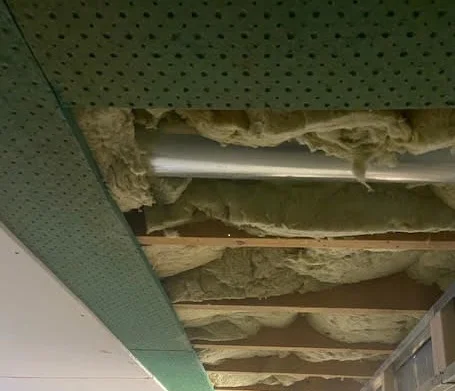
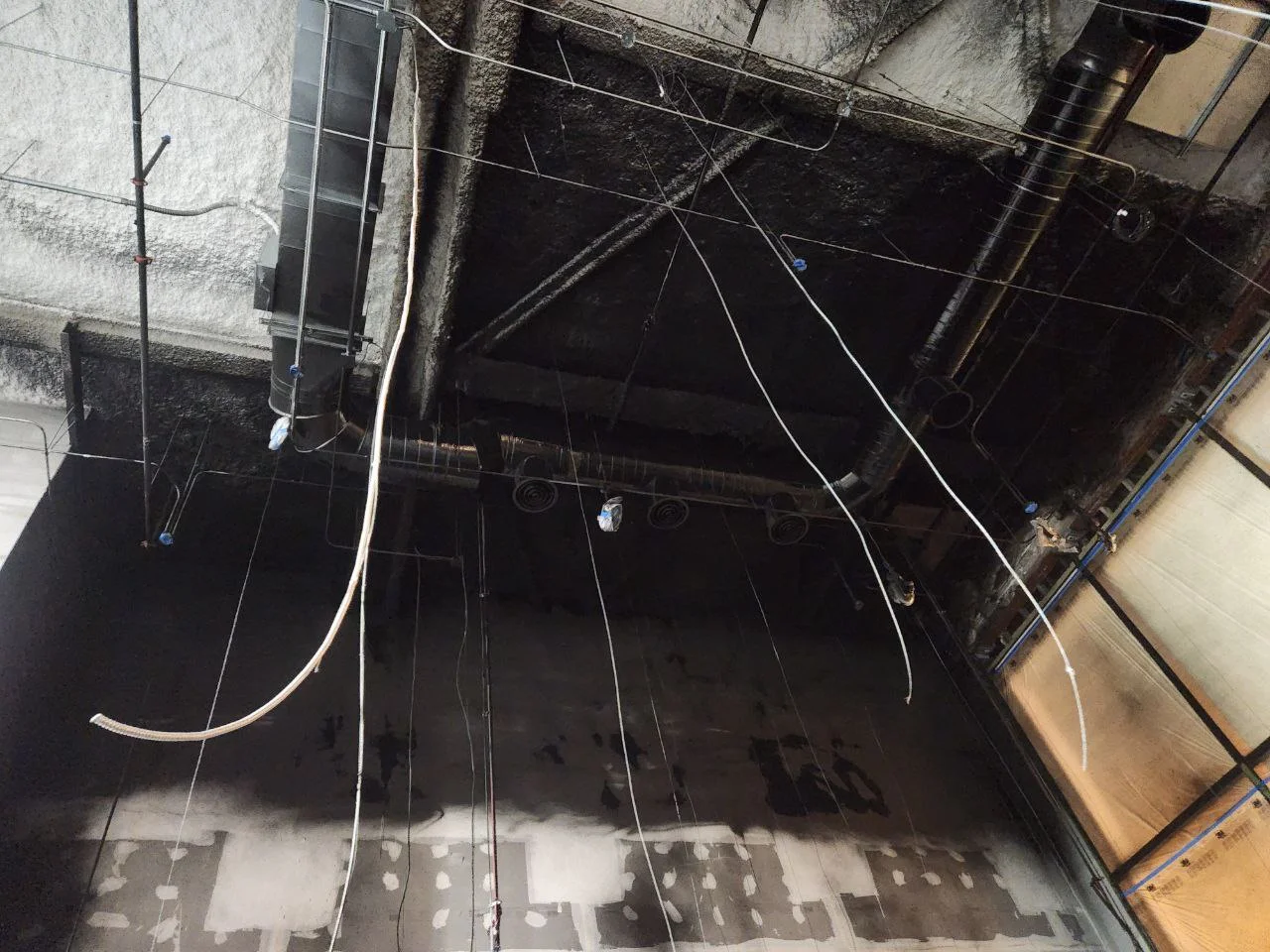
Blown-in insulation installation - the most cost-effective way to reach R-60 in Toronto attics
Key Stat: 60% of heat loss in a Toronto home escapes through the attic. Upgrading from R-12 to R-60 typically reduces heating bills by $400–800/year. With available government rebates, the project often pays for itself in under 5 years.
Why Attic Insulation Is Toronto's #1 Energy Upgrade
Attic insulation in Toronto is consistently rated the best return-on-investment energy upgrade for homes in our climate. Here's why: heat rises, and an under-insulated attic allows conditioned air to escape in winter and hot air to infiltrate in summer - forcing your HVAC system to work constantly.
The vast majority of Toronto homes built before 1980 have attic insulation in the R-8 to R-20 range. The current Ontario Building Code recommends R-60 for new construction. That gap represents thousands of dollars in wasted heating costs annually and significant carbon emissions that upgrading would eliminate.
Unlike other renovations that are primarily aesthetic, attic insulation delivers measurable, quantifiable results from the very first winter. Homeowners who upgrade often report their furnace running noticeably less frequently, their home feeling more evenly warm, and their gas or hydro bills dropping within weeks of installation. It is, in short, one of the few renovations where the financial math is straightforward and undeniable.
The Real Cost of Under-Insulated Toronto Homes
Let's be direct about what inadequate attic insulation is actually costing you - because most homeowners vastly underestimate the financial damage being done every single month.
The Numbers Don't Lie
A typical Toronto home with R-12 attic insulation - the level found in thousands of pre-1980 homes across the city - is wasting $600 to $1,200 every single year in heating costs alone. That's money that goes directly out through your roof and into the winter sky.
Over 10 years? $6,000 to $12,000 gone. That's a kitchen renovation. A new car. A family vacation every year. And the problem compounds: energy prices in Ontario have risen an average of 3–5% annually, which means that $1,000 you're losing today becomes $1,300–1,500 a decade from now if nothing changes.
But the direct heating costs are only part of the story. Under-insulated attics create a cascade of secondary problems that carry their own steep price tags:
Ice Dams on Eaves
When attic heat escapes through a poorly insulated roof, it melts snow on the roof surface. That water runs down and refreezes at the cold eaves, forming ice dams. Ice dams force water under your shingles, rotting the sheathing, soaking the insulation, and staining your ceilings.
Roof replacement cost: $15,000–$30,000. All of it preventable with proper attic insulation.
Condensation and Mould
Warm, humid indoor air meeting cold attic surfaces creates condensation on rafters, sheathing, and drywall. This persistent moisture breeds mould - often invisibly for months or years before a ceiling stain or musty smell signals a serious problem.
Mould remediation cost: $3,000–$10,000. And that doesn't include the health implications for your family.
HVAC Strain and Failure
When your attic bleeds heat, your furnace compensates by running longer cycles. A furnace running 40% longer than necessary wears out faster. A furnace that should last 20 years may need replacement in 12–15 years - years earlier than expected.
Furnace replacement cost: $4,000–$8,000. Every year of delay accelerates the timeline.
The critical insight here is that the problem gets worse every year you wait. Insulation degrades over time - particularly batt insulation that has settled, gotten damp, or been disturbed by pests or renovations. An attic that was R-20 when the home was built in 1975 may be performing at R-12 or lower today. The longer the delay, the more compounding damage occurs to your roof structure, drywall, and HVAC system - and the higher the eventual remediation bill.
Signs Your Attic Insulation Is Failing
You don't need a contractor to do an initial assessment. Toronto homeowners can identify most insulation problems themselves using this checklist. If you recognize two or more of these signs, it's time for a professional evaluation.
Home Insulation Warning Signs - Visual Checklist
Ice dams on eaves in winter
Ridges of ice forming at your roofline are the single clearest sign that warm air is escaping through your attic, melting snow and refreezing at the cold eaves. This is not normal and should be addressed before the next winter season.
Rooms directly below the ceiling feel cold in winter or stifling in summer
Top-floor bedrooms and rooms with ceilings directly below the attic floor are the first to reflect poor attic insulation. If these rooms are consistently uncomfortable while the rest of the house is fine, the attic insulation is the likely culprit.
Moisture staining or soft spots on ceiling drywall
Brown rings or soft areas on your ceiling indicate moisture is getting through. In winter, this often means ice dam water intrusion; in warmer months, it can indicate condensation from inadequate insulation or ventilation.
Heating and cooling bills that seem unusually high
Compare your gas/hydro bills to neighbours in similar-sized homes. If you're consistently paying 20–40% more, your building envelope - starting with the attic - is likely the reason. Utility companies can provide historical usage comparisons on request.
Visible old pink batt insulation from the attic hatch
If you peek through your attic hatch and see the original pink fiberglass batts lying between the joists - looking flat, dusty, and compressed - you almost certainly have inadequate coverage. Batts compress over time, losing their R-value significantly.
Visible joists above the insulation level
This is the easiest visual test: if you look into your attic and can see the tops of the floor joists sticking up above the insulation, your R-value is critically low. Properly insulated attics should have insulation so deep that the joists are completely buried - typically 15–20 inches of blown-in material to reach R-60.

Upgrading from R-12 to R-60 can reduce a Toronto home's annual heating costs by 25–35% - one of the highest ROI retrofits available
Attic Insulation Types Compared
| Type | R-Value/Inch | Cost (1,000 sq ft attic) | Best For |
|---|---|---|---|
| Blown-in Cellulose | R-3.5/inch | $1,500 – $2,800 | Most attics, best value |
| Blown-in Fiberglass | R-2.5/inch | $1,800 – $3,200 | Lower moisture risk areas |
| Spray Foam (Closed-Cell) | R-6/inch | $4,000 – $8,000+ | Sloped ceilings, cathedral, air sealing |
| Rigid Foam Board | R-4 to R-6/inch | $2,500 – $5,000 | Attic hatch, rim joists |
Air Sealing: The Step Most Contractors Skip
Here is something that separates professional-grade attic insulation work from budget installations that underperform: air sealing before blown-in insulation is installed. Many contractors skip this step because it adds time and cost. Every contractor who skips it is leaving your home's performance - and your savings - significantly short of what's possible.
The science is unambiguous: approximately 40% of a home's heat loss is due to air leakage, not conduction through insulation. And the attic is the single largest source of air leakage in most Toronto homes. Warm, pressurized interior air is constantly rising and seeking gaps to escape through - and there are many more gaps than homeowners realize:
Common Air Leakage Points in Toronto Attics
- •Electrical outlet and light fixture boxes (top floor ceiling)
- •Plumbing stacks and vent pipes penetrating the ceiling
- •Attic hatch perimeter - often unsealed and uninsulated
- •Top of interior partition walls (major stack effect path)
- •Bathroom exhaust fan housings
- •Chimney chases and fireplace surrounds
- •HVAC chase and ductwork penetrations
Why These Gaps Matter More Than You Think
Each individual gap is small. But collectively, the air leakage points in a typical Toronto semi-detached home add up to the equivalent of leaving a window open all winter. That's not metaphor - it's what blower door tests consistently measure.
When air leaks, it carries moisture with it. That moisture condenses in cold attic cavities, accelerating mould growth, wood rot, and insulation degradation. Air sealing eliminates this moisture transport mechanism along with the heat loss.
| Upgrade Scenario | Annual Savings (est.) | Payback Period |
|---|---|---|
| Blown-in insulation only (R-12 to R-60) | $350 – $550/year | 4–7 years |
| Air sealing + blown-in insulation (R-12 to R-60) | $650 – $1,000/year | 3–5 years |
| Air sealing + spray foam + blown-in (full system) | $800 – $1,200/year | 4–6 years (with rebates: 2–3 years) |
The message is clear: air sealing before insulation nearly doubles the energy savings of insulation alone. A Renovation's attic insulation process always includes comprehensive air sealing - it's not an optional add-on, it's the standard. Any contractor who doesn't include it is not offering you a complete service.
Don't Let Another Winter Drain Your Wallet
Toronto's coldest months are November through February. Every month you delay costs you another $80–100 in wasted heating.
Book your free attic assessment this week - our team will measure your current R-value, identify air leakage points, and give you a no-obligation quote with full rebate projections.
Government Rebates for Attic Insulation in Toronto (2026)
Toronto homeowners upgrading their home insulation can access substantial government rebates that significantly reduce project costs:
Canada Greener Homes Grant - Up to $5,600
Federal program offering $3.00–$7.50/sq ft for insulation upgrades. Requires a pre and post EnerGuide home energy audit. Applications through Natural Resources Canada.
Enbridge Home Efficiency Rebate - Up to $2,500
For Enbridge natural gas customers. Rebate for insulation upgrades from $200–$2,500 depending on scope. No audit required for basic rebates.
Canada Greener Homes Loan - Up to $40,000 at 0%
Interest-free loan for qualifying energy retrofits including insulation. Repaid over up to 10 years. Available alongside the grant.
Important: How to Access Federal Rebates
- Book an EnerGuide home energy audit BEFORE starting work ($400–600, partially rebated)
- Register for the Canada Greener Homes Grant online
- Have the insulation work completed by a registered contractor
- Schedule a post-retrofit audit to confirm improvements
- Submit claim - payment typically received within 8–12 weeks
Attic renovation in Toronto - combining insulation upgrades with attic finishing creates valuable living space
Step-by-Step: What a Professional Attic Insulation Job Looks Like
When you hire A Renovation for attic insulation, you're not getting a crew that shows up, blows in some material, and leaves. Here is exactly what a professional attic insulation installation looks like from start to finish - because transparency matters, and you deserve to know what you're paying for.
Morning Arrival and Setup
The crew arrives with blowing machines, hoses, air sealing materials, and protective equipment. Drop cloths are placed at the attic hatch and throughout the work path. Homeowners are briefed on the day's schedule and what to expect.
Attic Inspection and Documentation
Before any work begins, the lead technician performs a thorough attic inspection. Current insulation depth is measured at multiple points to calculate the existing R-value. The attic structure, ventilation pathways, and any signs of moisture or pest activity are documented with photos. This forms the "before" baseline for rebate applications.
Moisture and Mould Assessment
A moisture meter is used to check the moisture content of roof sheathing and structural members. Any readings above 19% indicate active moisture problems that must be addressed before insulation is installed - trapping moisture under new insulation would accelerate wood rot and mould growth. If moisture is found, the issue is disclosed immediately and remediation options are discussed.
Air Sealing All Penetrations
This is the step most contractors skip - and it's arguably the most important. Every penetration through the ceiling is sealed: electrical boxes are capped with fire-rated foam, plumbing stacks receive expanding foam and caulk, the attic hatch perimeter is gasketted, and partition wall tops are covered with rigid insulation and sealed. This phase typically adds 1–2 hours to the job but can double the energy savings.
Installing Attic Baffles
Baffles (also called rafter vents or chutes) are installed at each rafter bay along the eaves. These rigid channels ensure that soffit ventilation airflow is maintained as the insulation is installed - without them, insulation would block airflow at the eaves, trapping moisture and defeating one of the attic's key moisture management systems.
Blowing In the Insulation
The blowing machine feeds cellulose or fiberglass insulation through a large hose into the attic, where it is distributed evenly across the floor. Depth gauges placed throughout the attic ensure the material is applied uniformly to the target depth - for R-60 cellulose, that's approximately 17 inches. Difficult corners, low areas, and spots around obstructions receive special attention.
Final Depth Check and Quality Control
After blowing, the depth is measured at a minimum of 10 points throughout the attic floor. Any areas that are short of target depth receive additional material. The attic hatch insulation cap is checked and replaced if inadequate.
Cleanup and Before/After Report
All drop cloths, hose pathways, and work areas are cleaned. The homeowner receives a written completion report documenting the before and after R-values, the materials used, the air sealing locations, and all information needed to submit rebate applications. For Canada Greener Homes Grant applications, this documentation is essential.
Spray Foam Insulation in Toronto: When Is It Worth the Premium?
Spray foam insulation in Toronto has grown dramatically in popularity due to its dual function: it provides both insulation and air sealing in a single application. While it costs 2–3x more than blown-in insulation, it offers significant advantages in specific situations:
Choose Spray Foam For:
- • Sloped or cathedral ceilings with limited depth
- • Rim joists and band joists (highest air leakage point)
- • Areas with known moisture/condensation issues
- • Attached garages where air infiltration is a concern
- • When maximum R-value per inch is needed
Choose Blown-in For:
- • Standard flat attic floors (most common Toronto attics)
- • Budget-conscious projects with access to rebates
- • Older homes where attic air sealing is handled separately
- • When maximum depth (R-60+) is the goal
- • Adding on top of existing insulation

Toronto homes face extreme thermal demands from November through March - proper attic insulation is the first line of defence against both heat loss and ice dam formation
Attic Insulation and Your Home Insurance
Most Toronto homeowners don't realize that attic insulation has a direct relationship with their home insurance - in both directions. Getting this right can save money and prevent coverage disputes.
Potential Discounts
Some Toronto-area insurance providers offer home insurance discounts for documented energy upgrades, including attic insulation. The logic: better insulation means lower risk of ice dam damage, burst pipes from temperature swings, and moisture-related claims. Ask your broker specifically about energy efficiency credits when you complete your upgrade.
Claims Risk: Mould and Moisture
Here's a risk most homeowners don't know about: mould damage caused by inadequate insulation or ventilation is increasingly excluded from standard home insurance policies. If an adjuster can demonstrate that the mould resulted from a long-standing ventilation or insulation deficiency - rather than a sudden event - your claim may be denied. Proper insulation eliminates this exposure.
Document Your Upgrade
Keep the completion report, before/after photos, and all receipts for your insulation upgrade in your home file. Notify your insurance provider in writing when the work is done. This documentation establishes the baseline condition of your attic and protects you in any future moisture or mould-related claim.
Real Toronto Homeowners on Their Insulation Upgrades
These are not marketing stories. These are representative outcomes from attic insulation projects we have completed across the GTA - the types of results that typical Toronto homes achieve when the work is done properly.
Leaside Bungalow - R-12 to R-60
Detached bungalow, approx. 1,100 sq ft attic, built 1958
"We knew the house was cold upstairs but assumed it was just an old house. After the EnerGuide audit, the assessor told us our attic was at R-12 - basically what came standard in 1958 and never touched since. We went ahead with the full air seal and blown-in cellulose to R-60. The difference was noticeable the first week. The master bedroom, which used to be 3–4 degrees colder than the rest of the house in January, is now the same temperature. Our gas bills the following winter were $780 lower than the year before."
Annual savings: ~$780/year | Qualifying rebate received: $3,200
East York Semi-Detached - Spray Foam Rim Joists + Blown-in Attic
Semi-detached two-storey, approx. 850 sq ft attic, built 1965
"Our biggest problem was the master bedroom over the garage. In February it would drop to 16 degrees in there no matter what we set the thermostat to. The team did spray foam on the rim joists and band joists around the garage ceiling, then a full air seal and blown-in to R-55 in the main attic. That bedroom problem is completely gone - we haven't touched the space heater we used to keep in there since the renovation. The whole house feels more balanced now. Worth every penny."
Cold bedroom problem eliminated | Combined savings: ~$620/year
Mississauga Detached - Government Rebates Covered Nearly Everything
Two-storey detached, approx. 1,400 sq ft attic, built 1978
"We were honestly hesitant because we thought the grants were too complicated. A Renovation walked us through the entire process - they registered us for the Canada Greener Homes Grant, coordinated the pre and post audits, and handled all the paperwork. The project cost was $4,850. We received $3,200 in Canada Greener Homes Grant, $1,000 from Enbridge, and a partial audit rebate of $350 - totalling $4,550 in rebates. Our actual out-of-pocket cost was under $500 for an upgrade that's saving us around $700 per year. The numbers don't get better than that."
Total rebates received: $4,550 | Net out-of-pocket: under $500 | Annual savings: ~$700/year
A full attic renovation in Toronto can do more than just add insulation - it can transform wasted space into a finished storage area, home office, or bonus room. Our team handles both energy upgrades and basement renovation projects that similarly convert underutilized space into valuable living areas.
For homeowners planning comprehensive energy retrofits, we coordinate insulation work alongside full home renovations to minimize disruption and maximize government rebates across multiple qualifying upgrades.
Cut Your Heating Bills AND Qualify for Up to $5,600 in Government Rebates
A Renovation's certified energy advisors will assess your home's current insulation, identify every air leakage point, and handle the entire rebate application process from pre-audit to grant payment. You focus on your home - we handle the paperwork.