


Primary Bedroom Renovation Toronto: Dream Master Suite 2026
Your primary bedroom should be a sanctuary - not just another room. Here's how Toronto homeowners are transforming their master bedrooms into luxury retreats, and what it really costs.

Expert Team
Interior Design Specialist
April 8, 2026
Updated for Toronto Market
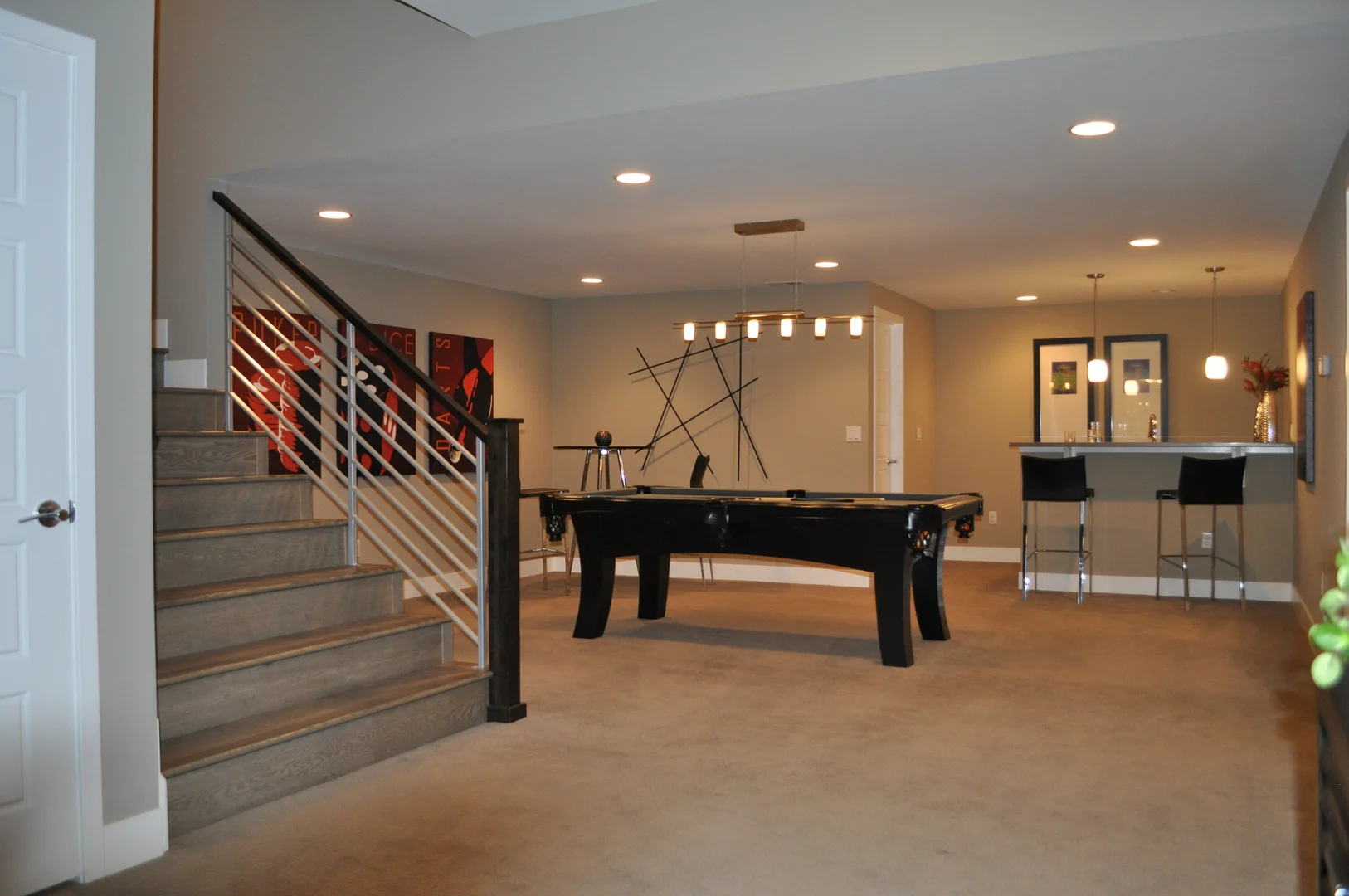
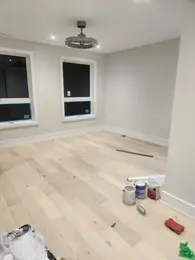
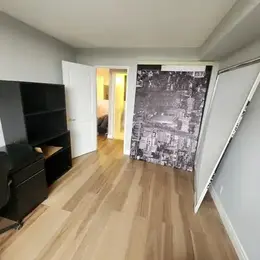
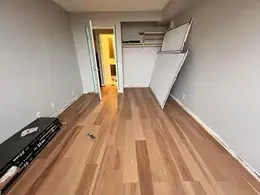
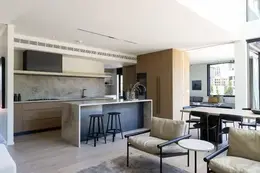
Primary bedroom renovation - custom built-ins, hardwood floors, and curated lighting create a hotel-suite feel at home
Quick Summary: Primary bedroom renovations in Toronto cost $5,000–60,000+ depending on scope. A cosmetic refresh (paint, flooring, lighting) runs $5,000–12,000. Adding a walk-in closet is $8,000–25,000. A complete suite with new ensuite bathroom costs $35,000–80,000. These projects consistently rank among the highest satisfaction renovations.
Why Your Primary Bedroom Deserves Renovation Attention
Toronto homeowners often prioritize kitchens and bathrooms in renovation planning - but overlook the room they spend more time in than any other. The primary bedroom represents your personal sanctuary, directly affecting sleep quality, morning routines, and daily wellbeing. A poorly designed primary bedroom - inadequate storage, insufficient lighting, outdated finishes - creates daily friction that impacts quality of life far more than a dated backsplash.
From a real estate perspective, master suite renovation costs in Toronto are well justified. Properties with well-designed primary suites - private ensuite, walk-in closet, quality finishes - command premium prices over comparable homes without these features. In many Toronto neighbourhoods, a master suite upgrade can add more value than its cost.
Consider the math: you spend roughly 7–9 hours per night in your bedroom, plus morning and evening routines. That adds up to more than 3,000 hours per year - more time than you spend in your kitchen, living room, or any other single space in your home. Investing in that space is not a luxury; it is a rational allocation of renovation dollars toward the room that affects your wellbeing the most.
Primary Bedroom Renovation: Levels of Scope
| Scope Level | What's Included | Typical Cost |
|---|---|---|
| Cosmetic Refresh | Paint, new light fixtures, closet organizer, trim update | $3,000 – $8,000 |
| Mid-Range Renovation | New hardwood flooring, pot lights, custom closet, feature wall, window treatment | $12,000 – $25,000 |
| Full Suite Transformation | All above + walk-in closet addition, ensuite bathroom renovation, built-in millwork | $30,000 – $60,000 |
| Luxury Suite Addition | All above + structural expansion (bump-out or reconfiguration), premium finishes, fireplace | $60,000 – $120,000+ |
Primary Bedroom Design Trends in Toronto (2026)
Biophilic Design
Natural wood tones, stone accents, living plant walls, and natural light maximization
Layered Lighting
Combination of pot lights, bedside sconces, pendant fixtures, and LED strip under-bed lighting
Limewash Walls
Soft, textured limewash or Venetian plaster replacing flat paint on feature walls
Functional Walk-Ins
Custom closet islands, built-in jewelry storage, proper lighting, and mirror integration
Ensuite Connection
Visual and physical flow between bedroom and ensuite - open concept double-door entries
Built-In Millwork
Custom headboard walls with integrated lighting, bedside shelving, and storage cabinetry
The Science of Sleep and Your Bedroom Environment
Most homeowners think of a bedroom renovation purely in aesthetic terms - new flooring, fresh paint, updated furniture. But the research on sleep science reveals something more compelling: your bedroom's physical environment has a direct, measurable impact on sleep quality, and poor sleep carries a staggering economic cost. Studies consistently link inadequate sleep to reduced cognitive performance, compromised immune function, and elevated stress levels - consequences that researchers at Harvard Medical School estimate cost the average person $2,000–$4,000 per year in lost productivity, healthcare visits, and impaired decision-making.
Three physical factors dominate sleep quality research, and all three are directly addressed by a thoughtful bedroom renovation:
Temperature Regulation
The optimal sleep temperature for most adults is 16–19°C (60–67°F). Toronto homes - especially older semis and detached houses with single-zone HVAC - often allow bedrooms to run 3–5 degrees warmer than the rest of the house due to heat rising to upper floors. During renovation, adding HVAC zoning, improving ceiling insulation, or installing a ductless mini-split in the primary bedroom gives occupants precise temperature control that no amount of bedding adjustment can replicate. The result: faster sleep onset, fewer nighttime wakings, and deeper restorative sleep cycles.
Light Control
Exposure to light - even ambient street lighting filtering through thin curtains - suppresses melatonin production and disrupts circadian rhythms. A bedroom renovation is the ideal time to install blackout-capable window treatments: motorized roller blinds behind decorative drapery, or deep-pocketed blackout cellular shades. These are not purely decorative choices; they are sleep infrastructure. Equally important is the ability to allow controlled morning light, which supports natural wake cycles. Layered window treatments - sheer for morning diffusion, blackout for complete darkness - deliver both functions.
Acoustic Separation
Toronto's dense neighbourhoods mean that street noise, passing TTC buses, and neighbour activity can penetrate bedrooms with standard drywall construction. Adding acoustic insulation (Rockwool Safe'n'Sound batt), resilient channels, or a second layer of drywall with damping compound during renovation measurably reduces sound transmission. The investment pays dividends every single night for the life of the home.
Design Principle: Your primary bedroom should be engineered for sleep performance, not just aesthetics. Every renovation decision - from insulation to window treatments to lighting controls - should be evaluated through the lens of: does this support better sleep?
The Morning Routine Revolution
Here is a calculation that surprises most homeowners: the average Toronto professional spends 30–45 minutes per day in their primary bedroom and ensuite during their morning routine - getting dressed, grooming, selecting clothing, and preparing for the day. Over a year, that adds up to 180–270 hours. A space that is poorly organized, inadequately lit, or frustrating to navigate wastes 5–10 minutes of that time every single morning through friction: searching for items, working around inadequate storage, getting dressed in poor light.
Eliminating that daily friction - through a well-designed walk-in closet, proper task lighting, logical storage organization, and a thoughtfully laid-out ensuite - saves 30–60 hours per year. That is the equivalent of gaining one to two full working weeks back every year, simply by having a bedroom that works for you rather than against you.
Beyond the time savings, there is a psychological dimension that behavioural researchers call "environmental priming." Starting your day in a beautifully organized, well-lit, aesthetically pleasing space measurably improves mood, decision-making quality, and sense of agency throughout the morning. Conversely, starting the day in a cluttered, dimly-lit, disorganized space - even one you have lived with for years - generates low-level stress that colours the first hours of every day. A primary bedroom renovation is not an indulgence. It is an investment in how you show up each day.
Time Savings From Better Design
- Organized walk-in closet: Save 3–5 min/day finding clothing
- Proper task lighting: Save 2–3 min/day on grooming accuracy
- Logical ensuite layout: Save 2–4 min/day in morning flow
- Total annual savings: 30–60 hours per year
Psychological Benefits
- Reduced morning cortisol (stress hormone) levels
- Improved sense of control and agency
- Better mood persistence through mid-morning
- Positive "environmental priming" effect
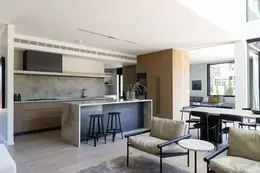
A thoughtfully designed primary bedroom - warm lighting, organized storage, and a calm palette that supports both restful sleep and an efficient morning routine
Primary Bedroom Lighting Design Guide
Lighting is the most transformative and most frequently under-planned element of a bedroom renovation. Most Toronto homeowners inherit a single ceiling fixture or a basic pot light layout - and leave it unchanged even after significant renovations. A properly designed bedroom lighting scheme uses four distinct layers, each serving a different purpose and controllable independently.
Ambient Lighting - Pot Lights on Dimmer
Recessed pot lights provide general room illumination. The critical detail: every bedroom pot light circuit must be on a dimmer switch, without exception. Overhead lighting at 100% brightness is physiologically incompatible with the wind-down phase before sleep - it suppresses melatonin and keeps the nervous system alert. With dimmers, the same fixtures that illuminate the room at full brightness for cleaning can be dialled to 15–20% for a warm, relaxed pre-sleep atmosphere. Budget: $400–900 for a typical bedroom pot light layout with quality Lutron dimmers.
Task Lighting - Bedside Reading Lights
Dedicated task lighting at each bedside - wall-mounted swing-arm sconces, integrated bedside shelf lighting, or articulating pendant lights - allows reading without disturbing a partner. The optimal bedside light position is just above shoulder height when seated in bed, directed toward the page rather than the eyes. Hardwired sconces are vastly preferable to plug-in options for a finished renovation. Budget: $300–800 for hardwired bedside sconces (pair), including electrical.
Accent Lighting - LED Strip Behind Headboard
Low-voltage LED strip lighting installed in a channel behind or below the headboard creates indirect ambient glow that adds tremendous visual warmth without any direct glare. This is the lighting layer most associated with the "hotel suite" aesthetic popular in Toronto renovations. Tunable white LED strips allow adjustment from warm amber (1800K) for evening relaxation to a neutral white for morning wake-up routines. Budget: $200–500 for quality LED strip with dimmer controller.
Natural Light - Blackout-Capable Window Treatments
The fourth layer is natural light - controlled through window treatments that can range from complete blackout to full transparency. The ideal system uses motorized sheer roller blinds for daytime diffusion (softening direct sunlight while maintaining privacy), with a separate motorized blackout blind for complete darkness when needed. Smart home integration allows both layers to be controlled from bed, via voice, or on a schedule. Budget: $800–2,500 for motorized layered window treatments in a standard bedroom.
The 2700K vs 3000K Debate
Colour temperature in the bedroom matters more than in any other room. 2700K (warm white) mimics incandescent light and is ideal for bedrooms - it renders skin tones flatteringly, creates a cozy atmosphere, and minimizes melatonin suppression. 3000K (soft white) is slightly cooler and better for task areas like dressing and reading. Our recommendation: 2700K for ambient pot lights and accent strips, 3000K for dedicated task and mirror lighting in the walk-in closet. Never use 4000K+ (cool white or daylight) in a bedroom - it creates a clinical atmosphere and actively interferes with sleep-onset.
Total lighting plan cost: $800–$2,500 for a complete four-layer bedroom lighting design, including electrical rough-in, fixtures, and smart controls.
Your bedroom is the only room in your home you use every single day.
Isn't it time it worked for you? Book a free design consultation with A Renovation - we'll assess your space, discuss your vision, and provide a detailed scope and budget at no cost.
Adding a Walk-In Closet: Options for Toronto Homes
The absence of a walk-in closet is one of the top renovation wishes among Toronto homeowners - especially in older homes built before walk-in closets became standard. Here's how our team approaches walk-in closet additions:
Option 1: Convert Adjacent Bedroom
Most common in semi-detached and detached Toronto homes with 3+ bedrooms. Opening a wall between the primary bedroom and an adjacent smaller bedroom creates a large dressing room. Cost: $15,000–30,000 including framing, drywall, custom closet interior, and door addition.
Option 2: Expand into Hallway Space
Many Toronto homes have awkward hallway configurations. Borrowing 3–5 ft from a wide hallway can create a functional walk-through closet or dressing alcove. Cost: $10,000–20,000.
Option 3: Room-Within-Room Addition
Building a walk-in closet within a large primary bedroom using a partial wall. Works well for bedrooms over 200 sq ft. Creates a closet of 40–80 sq ft without reducing bedroom functionality. Cost: $8,000–15,000.
Custom Closet Design: The Details That Matter
Once you have decided on the footprint for your walk-in closet, the interior design determines whether it becomes a genuinely functional dressing room or merely a larger version of a standard closet. These are the specifications and decisions that separate a truly well-designed closet from one that frustrates its owners within the first year.
Configuration Decisions
Luxury Details Worth Adding
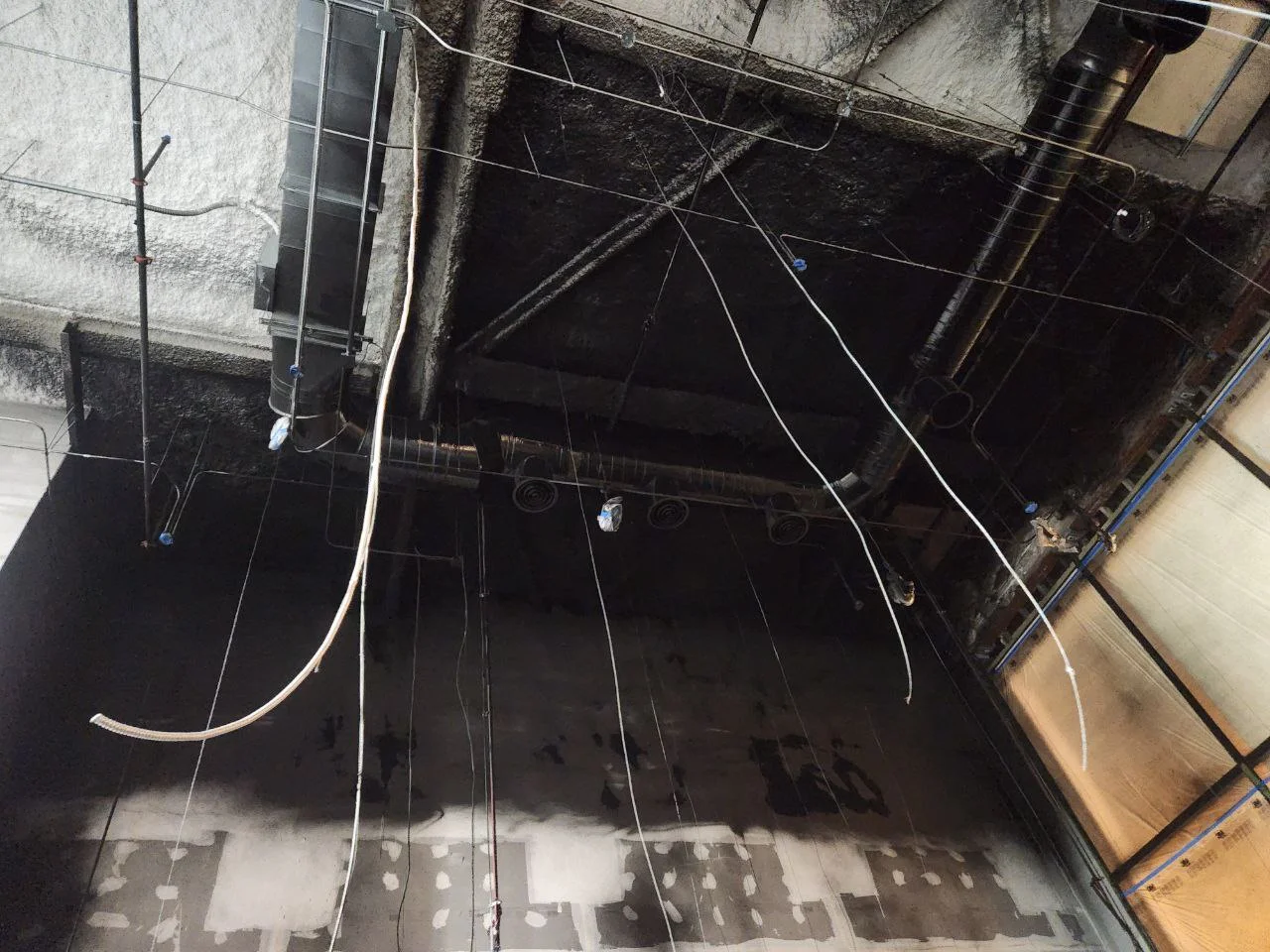
Custom walk-in closet with integrated LED lighting, glass-front upper cabinets, and centre island - A Renovation project in North York
Closet System Cost Comparison
| System Type | Cost Range | Best For | Lifespan |
|---|---|---|---|
| IKEA PAX System | $1,500 – $4,000 installed | Budget-conscious, rental properties | 8–12 years |
| Semi-Custom (California Closets, etc.) | $5,000 – $12,000 | Most homeowners, good value | 15–20 years |
| Custom Millwork (site-built) | $12,000 – $30,000+ | Luxury finishes, complex layouts, longevity | Lifetime of home |
Acoustic Separation: The Luxury Nobody Talks About
Walk into any high-end hotel room in Toronto and notice what you do not hear. No street noise from King Street below. No footsteps from the adjacent room. No voices from the corridor. That acoustic isolation is not an accident - it is a deliberate engineering choice, and it is the single bedroom luxury that is most underappreciated until you experience it.
In Toronto's dense urban fabric - semis in Leslieville sharing party walls with neighbours, detached homes in North York with bedrooms adjacent to busy arterials, condos in Yorkville with mechanical noise from shared systems - sound transmission into the primary bedroom is a significant and under-addressed quality-of-life issue. A bedroom renovation is the ideal time to address it, because adding acoustic treatment after the drywall is closed requires tearing it out again.
Rockwool Acoustic Batt
Rockwool Safe'n'Sound or similar mineral wool batt installed in wall and ceiling cavities is the foundation of bedroom acoustic treatment. Unlike standard fiberglass insulation (which is primarily a thermal product), Rockwool is specifically engineered to absorb sound energy. Cost: $800–1,500 added to a bedroom renovation.
Resilient Channels
Metal resilient channels installed between wall studs and drywall create a mechanical break that interrupts the transmission path for structural sound (footsteps, bass frequencies, impact noise). Combined with acoustic batt, resilient channels provide substantial STC (Sound Transmission Class) improvement. Cost: $1,500–3,500 for a bedroom wall assembly.
Double Drywall + Damping
Adding a second layer of drywall with acoustic damping compound (such as Green Glue) between layers significantly increases mass and damping - both critical for blocking mid and high-frequency sound. This approach is particularly effective for Toronto party walls. Cost: $2,000–4,500 for a primary bedroom party wall assembly.
Total Investment for Full Acoustic Separation: $3,000–$8,000 added to a primary bedroom renovation. Impact on sleep quality: enormous and immediate. Unlike aesthetic finishes that you grow accustomed to over time, acoustic isolation delivers a perceptible, every-night benefit for the life of the home. For Toronto homeowners in semis or near busy streets, this is one of the highest-ROI additions to any bedroom renovation scope.
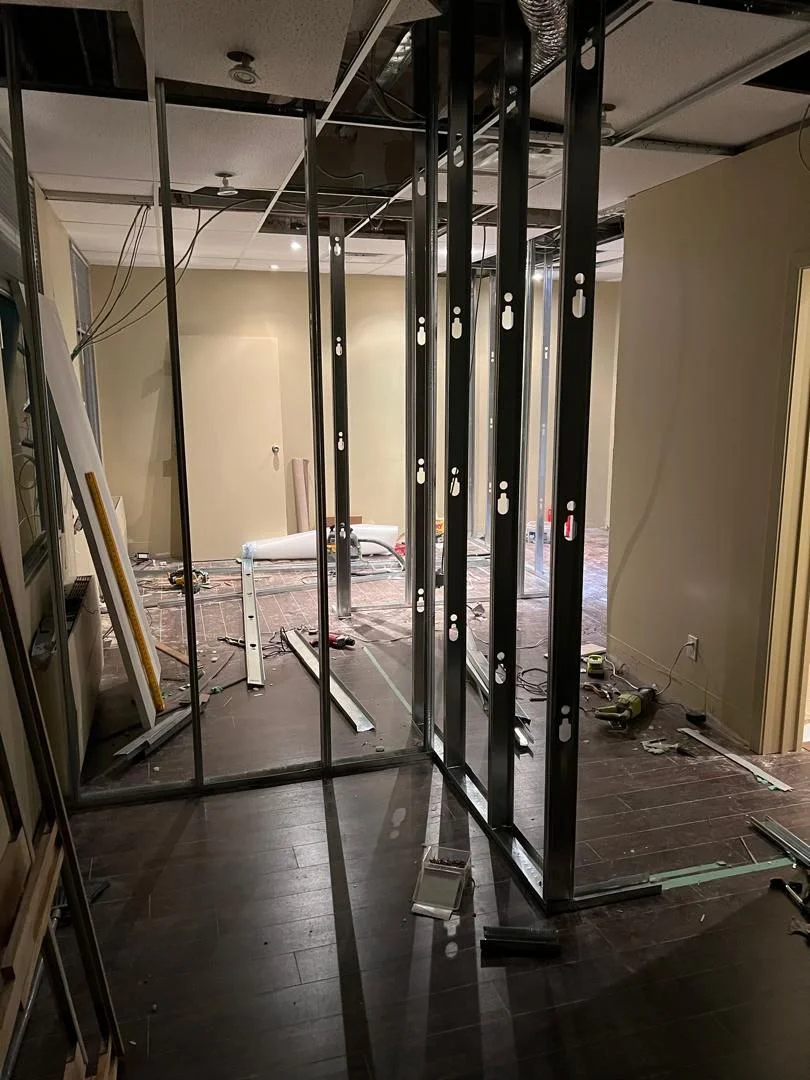
Master suite renovation featuring custom built-ins and integrated lighting - A Renovation project in Etobicoke
Adding an Ensuite to Your Primary Bedroom
Adding a private ensuite bathroom is the single most transformative upgrade for a primary bedroom. In Toronto's market, homes with ensuites command 8–15% premiums over comparable homes without private primary bathrooms. The investment is especially well-justified for families with shared bathrooms creating daily scheduling conflicts.
The key requirement is proximity to existing plumbing. Our team assesses each project to find the optimal route for drain and supply lines - minimizing structural disruption while achieving the desired bathroom configuration. Our full bathroom renovation service handles every aspect of ensuite design and construction.
For homeowners planning a comprehensive home makeover, combining a primary bedroom renovation with a full home renovation in Toronto reduces total disruption time and often yields contractor discounts for bundled projects.
A primary bedroom ensuite addition with heated floors, freestanding soaker tub, and curbless shower - A Renovation project in Leaside
Primary Bedroom Renovation ROI in Toronto:
- Hardwood flooring upgrade: 60–80% ROI at resale
- Walk-in closet addition: 50–70% ROI (high buyer demand)
- New ensuite bathroom: 70–90% ROI (top-performing upgrade)
- Cosmetic refresh (paint, lighting, trim): 80–100%+ ROI
Looking for professional interior design guidance for your primary bedroom? Our interior design team in Toronto works with homeowners to develop complete room concepts - material selections, colour palettes, furniture layouts, and lighting plans - before a single wall is touched.
Primary Bedroom Flooring: Why the Bedroom Is Different
Flooring decisions in the primary bedroom deserve different criteria than the rest of the house. The kitchen and living room prioritize durability and ease of cleaning above all else - these are high-traffic, high-spill areas. The bedroom is different. Traffic is light, spills are rare, and the dominant experience is tactile: stepping barefoot onto the floor at 6 a.m. on a January morning in Toronto.
Flooring Considerations Unique to Bedrooms
- Sound underfoot: Hardwood and tile transmit footstep sound more readily than carpet or cork. In upper-floor bedrooms, this matters for sleeping partners and the floor below.
- Thermal comfort: Tile and stone are cold underfoot without radiant heating. Engineered hardwood and carpet feel warmer at the surface temperature. Barefoot morning comfort is a real consideration.
- Noise transmission to floor below: Bedroom flooring choice affects Impact Insulation Class (IIC). Carpet over plywood has the highest IIC; tile over concrete the lowest.
- Lower traffic demands: The durability requirements that justify luxury vinyl plank in a kitchen are largely irrelevant in a bedroom. You can afford the upgrade to engineered hardwood here because it will last decades with minimal wear.
Most Popular Toronto Bedroom Flooring (2026)
Real Toronto Primary Bedroom Transformations
Abstract cost ranges and design principles are useful - but real project outcomes illustrate what is actually possible. Here are three recent A Renovation primary bedroom projects across the Toronto market, with actual scopes and budgets.
Project 1: Victorian Semi in Leslieville - Complete Suite Creation
This Leslieville semi had three modestly-sized bedrooms and one shared upstairs bathroom - a configuration common in pre-war Toronto housing. The primary bedroom (12 x 14 ft) was functional but offered no ensuite and only a small reach-in closet.
The solution: convert the smallest adjacent bedroom (8 x 9 ft) into a walk-in dressing room through a new connecting doorway, and claim a section of the hallway landing for a compact 3-piece ensuite (5-piece shower, toilet, vanity). The primary bedroom itself received new engineered hardwood, a custom built-in headboard wall with integrated reading lights, acoustic treatment on the party wall (Rockwool + resilient channels), and a complete lighting redesign. The walk-in received custom semi-custom millwork, integrated LED lighting, and a pull-out laundry hamper. The result transformed a dated Victorian bedroom into a genuine primary suite without any structural additions or permits beyond the ensuite plumbing work.
Project 2: Detached Home in Oakville - Full Luxury Suite
This Oakville homeowner had an existing primary suite with a dated 4-piece ensuite and standard reach-in closets. The goal was a significant luxury upgrade without any structural footprint change.
Scope included: full ensuite gut-and-rebuild to a 5-piece spa layout (freestanding soaker tub, curbless double shower, dual vanity with integrated mirrors), expansion of the walk-in closet into the adjacent guest bathroom footprint (guest bath relocated), custom millwork throughout (closet, built-in dresser, headboard wall), a gas fireplace feature wall with custom millwork surround and Venetian plaster finish, full acoustic treatment, motorized window treatments, and a four-layer lighting plan with Lutron smart controls. Wide-plank white oak engineered hardwood throughout bedroom and closet. Heated tile floors in ensuite extending 3 feet into the bedroom dressing area.
Project 3: Condo in Yorkville - Creative Storage Refresh
Condo bedroom renovations present unique constraints: no structural changes to load-bearing elements, no modifications to the building's mechanical systems, and strict condo board approval requirements for any work beyond cosmetics. Despite these restrictions, significant transformation is possible.
This Yorkville condo bedroom (14 x 16 ft) received: a custom built-in wardrobe system across the full 14-foot wall opposite the bed (floor-to-ceiling, incorporating both hanging and folded storage, a dedicated shoe section, and integrated lighting - completely replacing the builder's standard sliding-door closet), a limewash feature wall behind the bed, new pot lights on dimmer replacing the single builder fixture, motorized blackout blinds behind existing curtains, and bedside sconces hardwired through the wall. No structural work, no plumbing, fully within condo board guidelines - and a transformation so complete that the homeowner estimated the bedroom felt twice as large.
Design Your Dream Primary Bedroom in Toronto
A Renovation transforms primary bedrooms across Toronto and the GTA. From cosmetic refreshes to full suite additions with custom closets and ensuites - we handle every detail with 15+ years of renovation expertise.