

Open Concept Kitchen & Living Room Renovations Toronto 2026
Transform your segmented main floor into a stunning open concept living space. Learn about wall removal, structural engineering, flow optimization, and design strategies that define modern Toronto homes.

Expert Team
Senior Renovation Consultant
June 12, 2026
Updated for Toronto Market
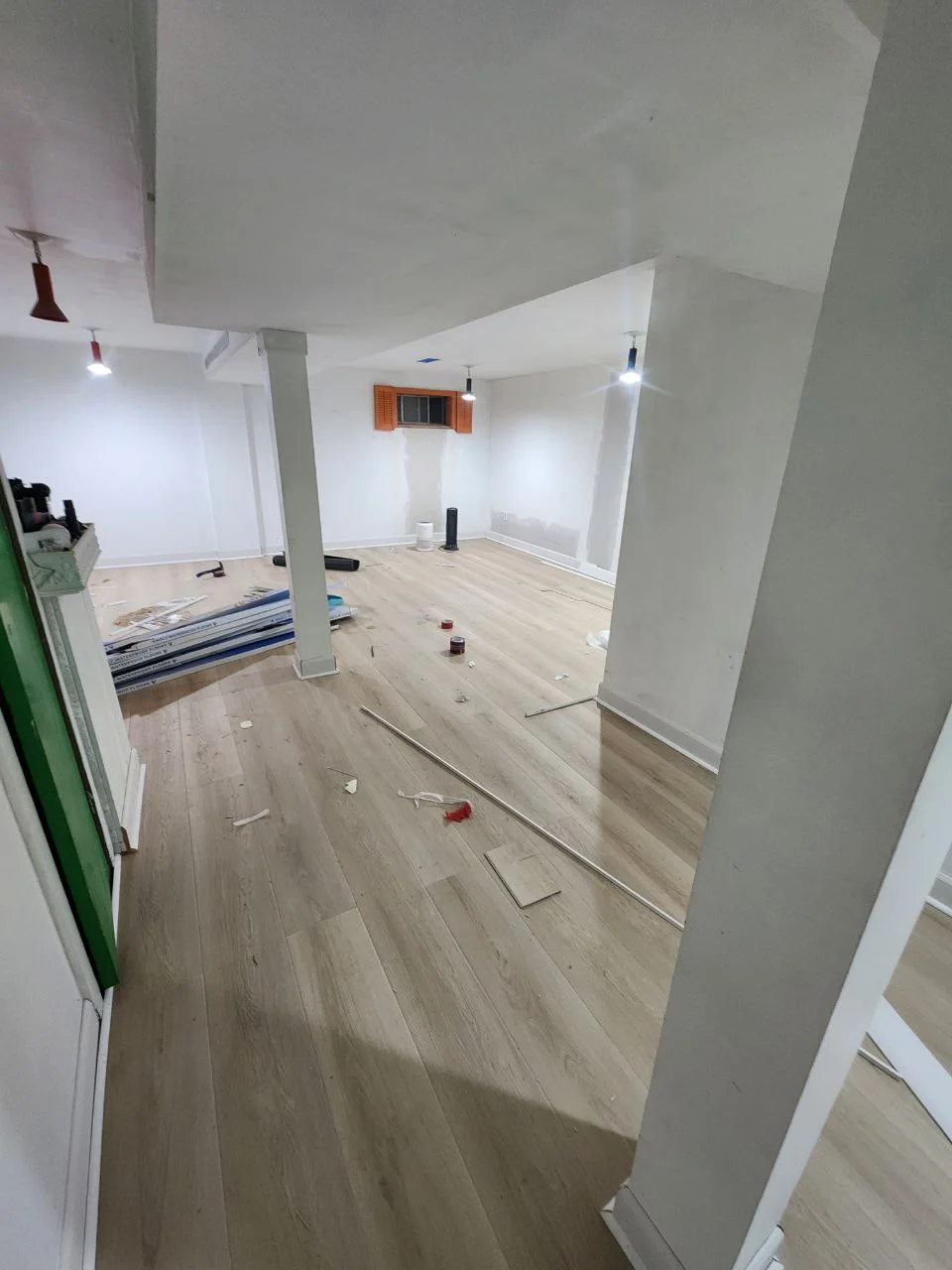
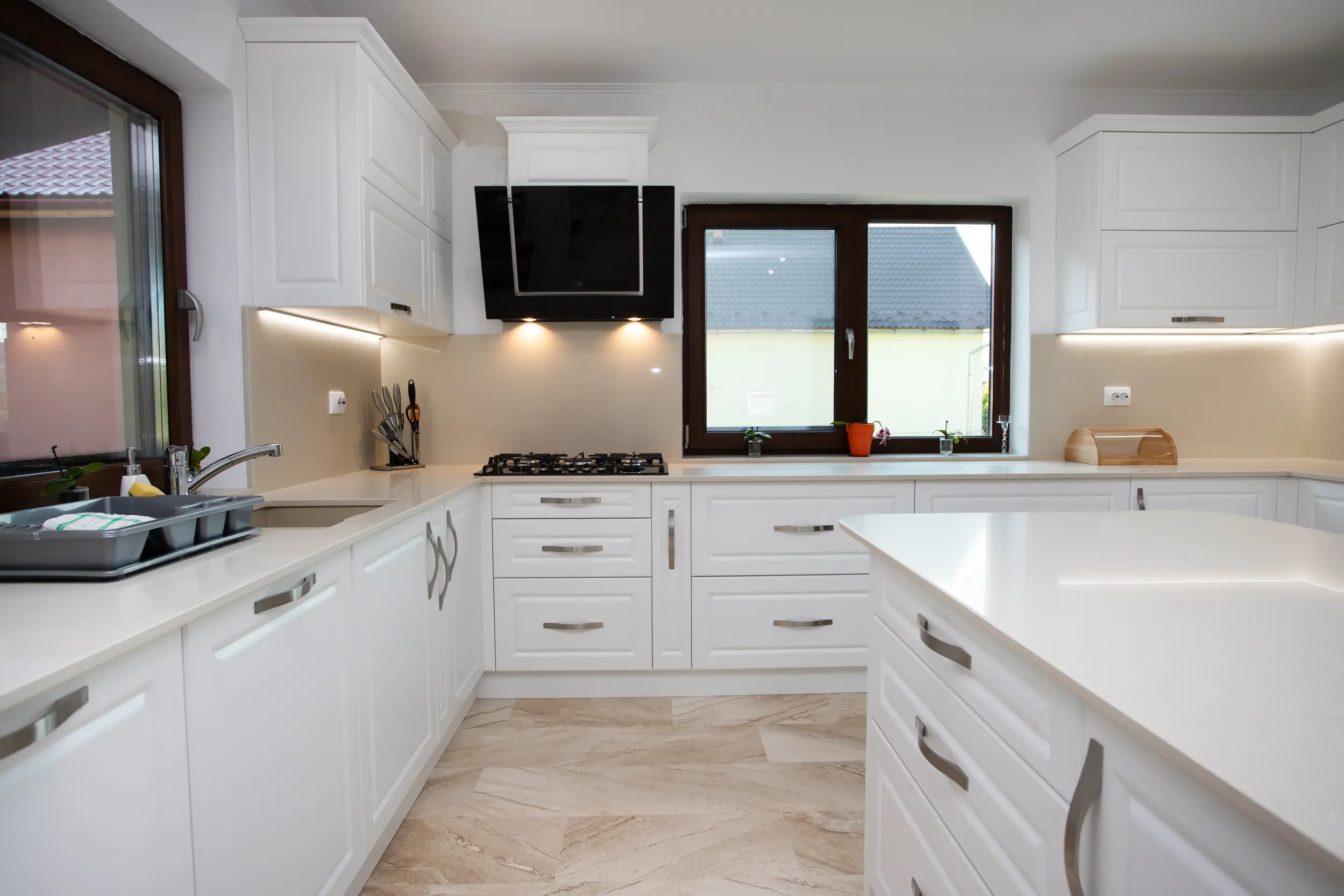
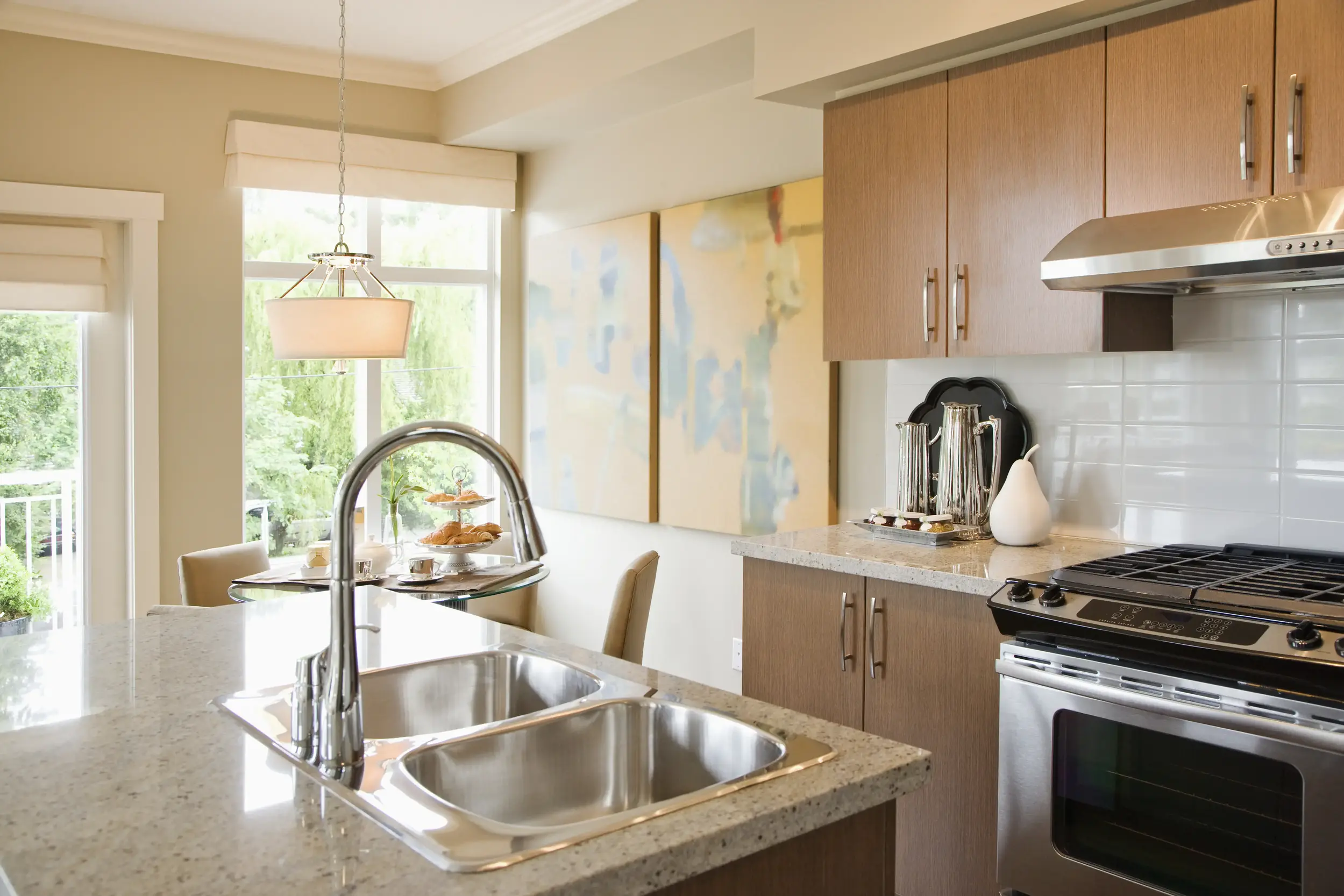
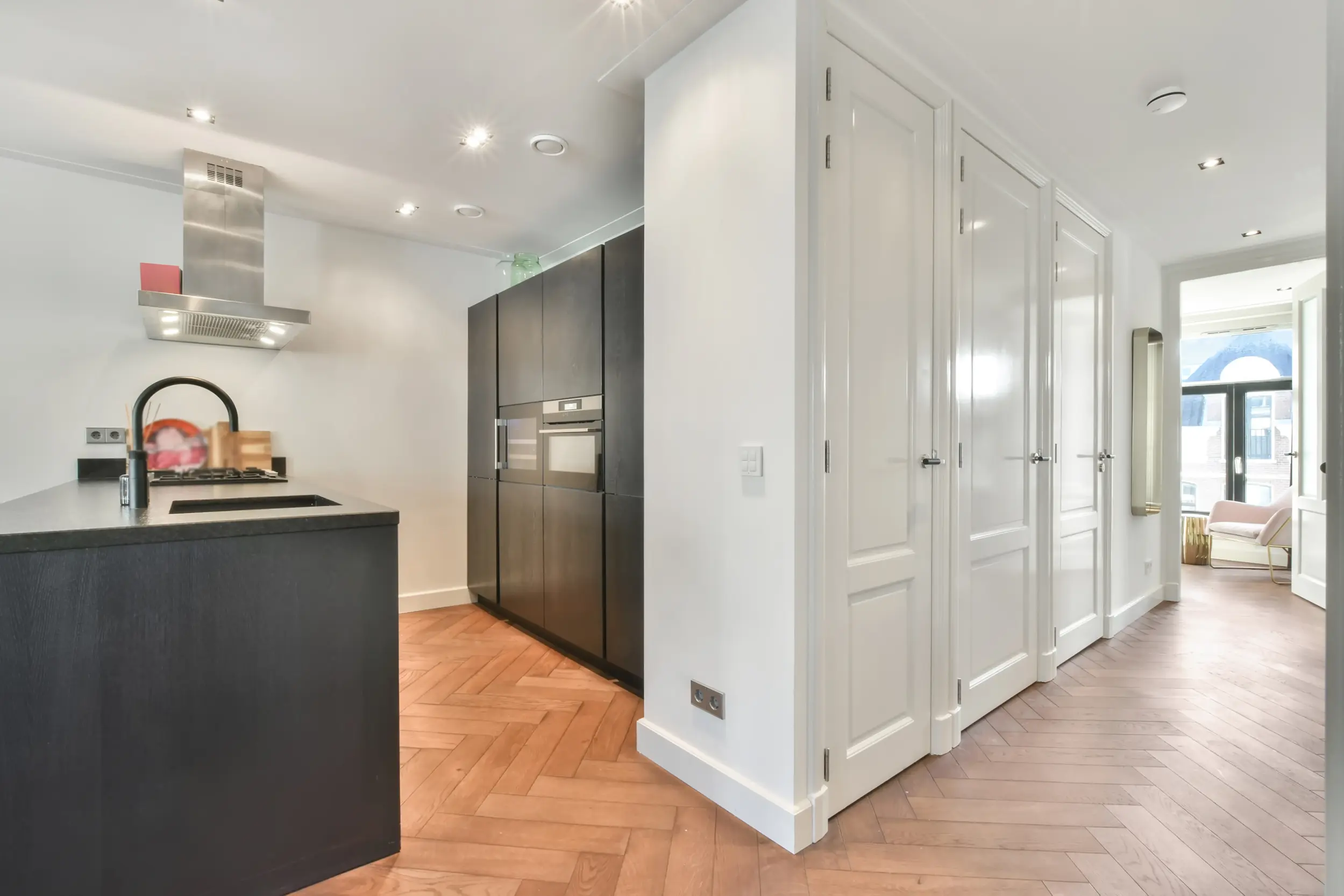
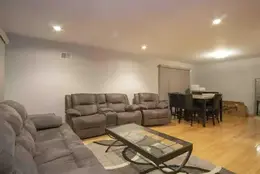
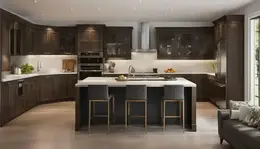
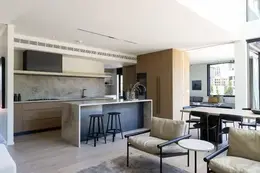
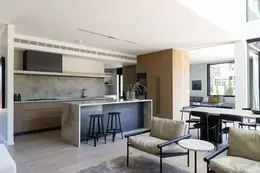
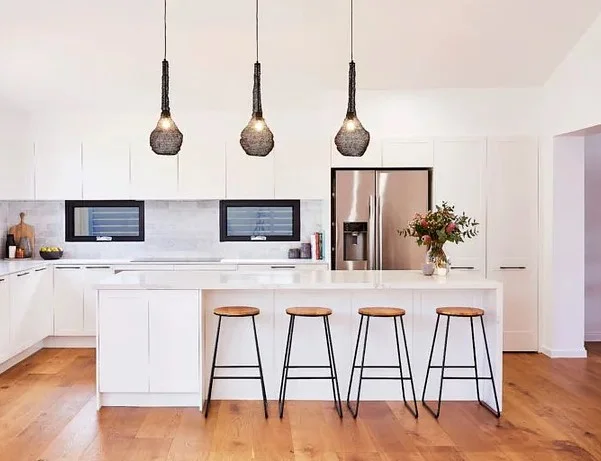
Stunning open concept kitchen and living space with seamless flow - the most sought-after main floor renovation in Toronto for 2026
Quick Insight: Open concept main floor renovations have increased 55% in Toronto since 2020, with typical investments of $50,000-$120,000. These renovations increase usable space by 20-30%, improve natural light distribution, and boost property values by 10-15% while creating the modern flow today's buyers demand.
Why Open Concepts Dominate Toronto Renovations
The shift from segmented floor plans to open concepts represents the most significant residential design trend of the past two decades. Toronto homeowners are removing walls between kitchens, dining rooms, and living rooms to create continuous living spaces that work better for contemporary lifestyles. In neighborhoods from Downtown Toronto to Mississauga, open concepts have become the gold standard for main floor living.
The benefits are compelling. Open concepts dramatically improve natural light flow, making homes feel larger and brighter. They enhance family connection by allowing conversation and interaction between kitchen and living areas. They provide flexibility for entertaining, enabling hosts to prepare food while socializing with guests. Perhaps most importantly, they align with how we actually live today, blurring boundaries between cooking, dining, relaxing, and working.
Planning Your Open Concept Renovation
Understanding Structural Considerations
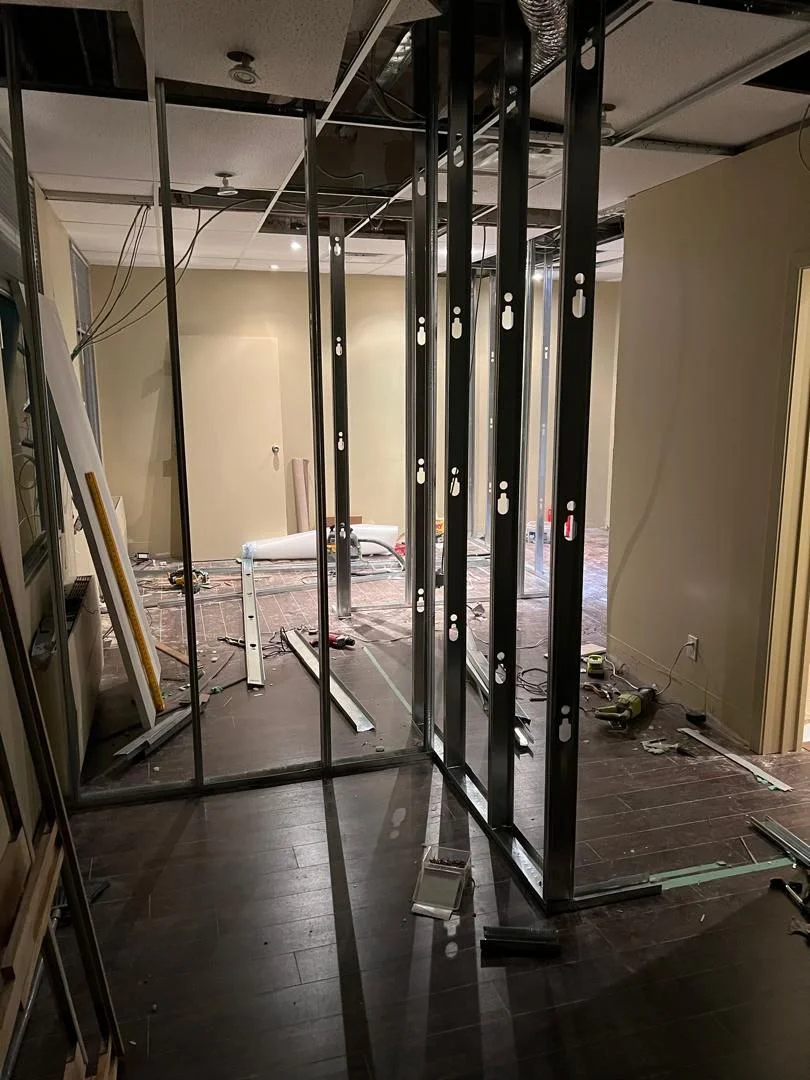
The most critical aspect of any open concept renovation is understanding which walls can be removed and which are structural. Load-bearing walls support the structure above, typically running perpendicular to floor joists. Removing these walls requires installing structural beams (often steel LVLs or flitch beams) to carry the load. Non-partition walls can generally be removed without structural reinforcement.
Structural Assessment Checklist:
- Hire a structural engineer or experienced contractor to assess load-bearing walls
- Review original building plans if available
- Identify plumbing, electrical, and HVAC systems in walls to be removed
- Plan for structural beam installation and support columns
- Consider ceiling aesthetics, beams may be exposed or concealed
- Factor in temporary wall supports during construction
- Obtain necessary building permits before beginning demolition
Every open concept renovation involving load-bearing wall removal requires a building permit and structural engineer sign-off. While this adds cost and complexity, it's absolutely non-negotiable for safety and legal compliance. Typical structural beam installations cost $8,000-$15,000 including engineering and installation, but this ensures your home remains safe and sound.
Mechanical Systems and Infrastructure
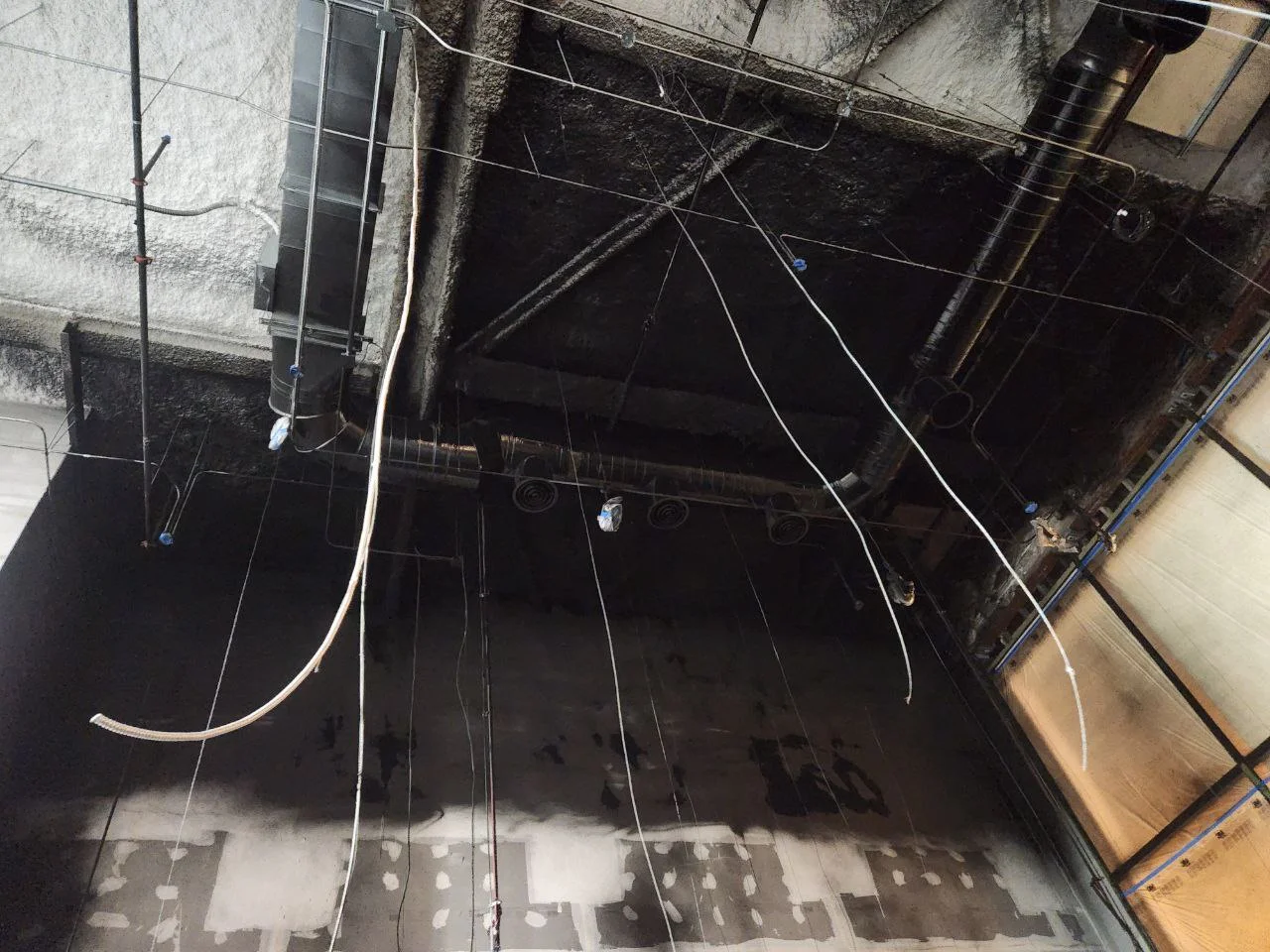
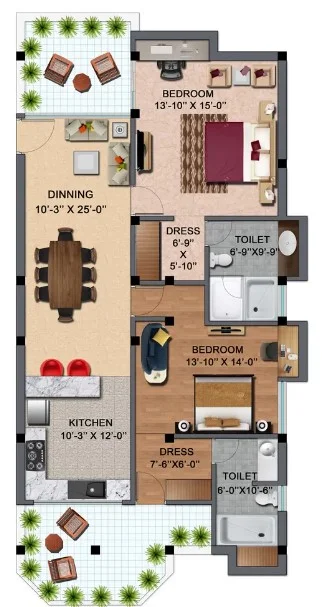
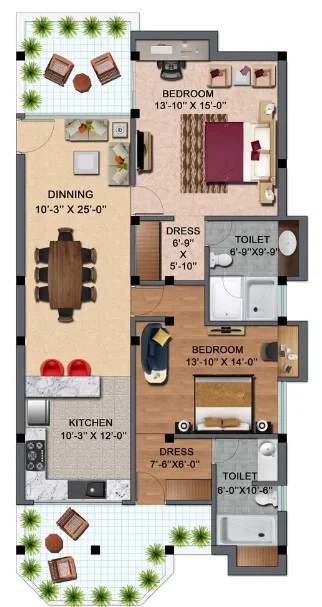
Walls contain more than just structure, they house electrical wiring, plumbing pipes, HVAC ductwork, and sometimes gas lines. All these systems must be relocated when walls are removed. This is where the complexity and cost of open concept renovations accumulates quickly. Kitchen walls often contain water supply and drain lines, electrical for outlets and switches, and heating ducts or registers.
Planning requires carefully mapping all infrastructure and determining new locations. Electrical may be rerouted through ceilings or floors. Plumbing might move to exterior walls or islands. HVAC may require redirection or even system upgrades to properly heat/cool the newly combined space. Always work with licensed tradespeople who understand local codes and can ensure systems are safely relocated.
Infrastructure Relocation Considerations:
- Electrical: Plan new outlet locations, switch placement, and lighting circuits
- Plumbing: Consider island wet bars, relocate kitchen plumbing, plan drainage
- HVAC: Calculate heating/cooling loads for larger combined space
- Gas Lines: Relocate if present for stoves or fireplaces
- Low Voltage: Plan for cable, internet, and smart home wiring
- Lighting: Design layered lighting for the new open space
Design Strategies for Successful Open Concepts
1. Zoning Without Walls
The challenge of open concepts is creating distinct zones for different activities without physical separation. Successful designs use visual cues and furniture placement to define areas. Recessed lighting can create separate zones. Changes in flooring materials or orientation can indicate different functional areas. Floating furniture arrangements define conversation spaces separate from dining and cooking zones.
Kitchen islands serve as natural dividers between cooking and living areas. They provide additional counter space, storage, and seating while creating subtle separation. Dining areas are typically defined by pendant lights above tables and area rugs underneath. Living areas feature furniture arrangements focused on conversation or media viewing. The key is creating flow between zones while maintaining each area's distinct identity.
2. The Kitchen as Anchor
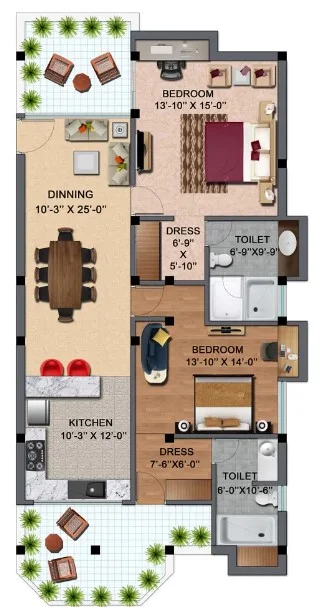
In most open concept renovations, the kitchen becomes the design anchor, it's typically the most expensive element and visually dominant feature. Modern kitchen renovations for open concepts emphasize clean lines, integrated appliances, and thoughtful island design. The island should be positioned to optimize flow while providing adequate workspace and seating.
Cabinet design becomes particularly important in open concepts, your kitchen cabinets are now visible from living areas. This pushes homeowners toward higher-quality cabinetry and thoughtful finishes. Many choose to extend kitchen cabinet materials into other areas (built-in storage, entertainment centers) to create visual continuity. The backsplash becomes an opportunity for artistic expression visible throughout the space.
3. Cohesive Flooring Throughout
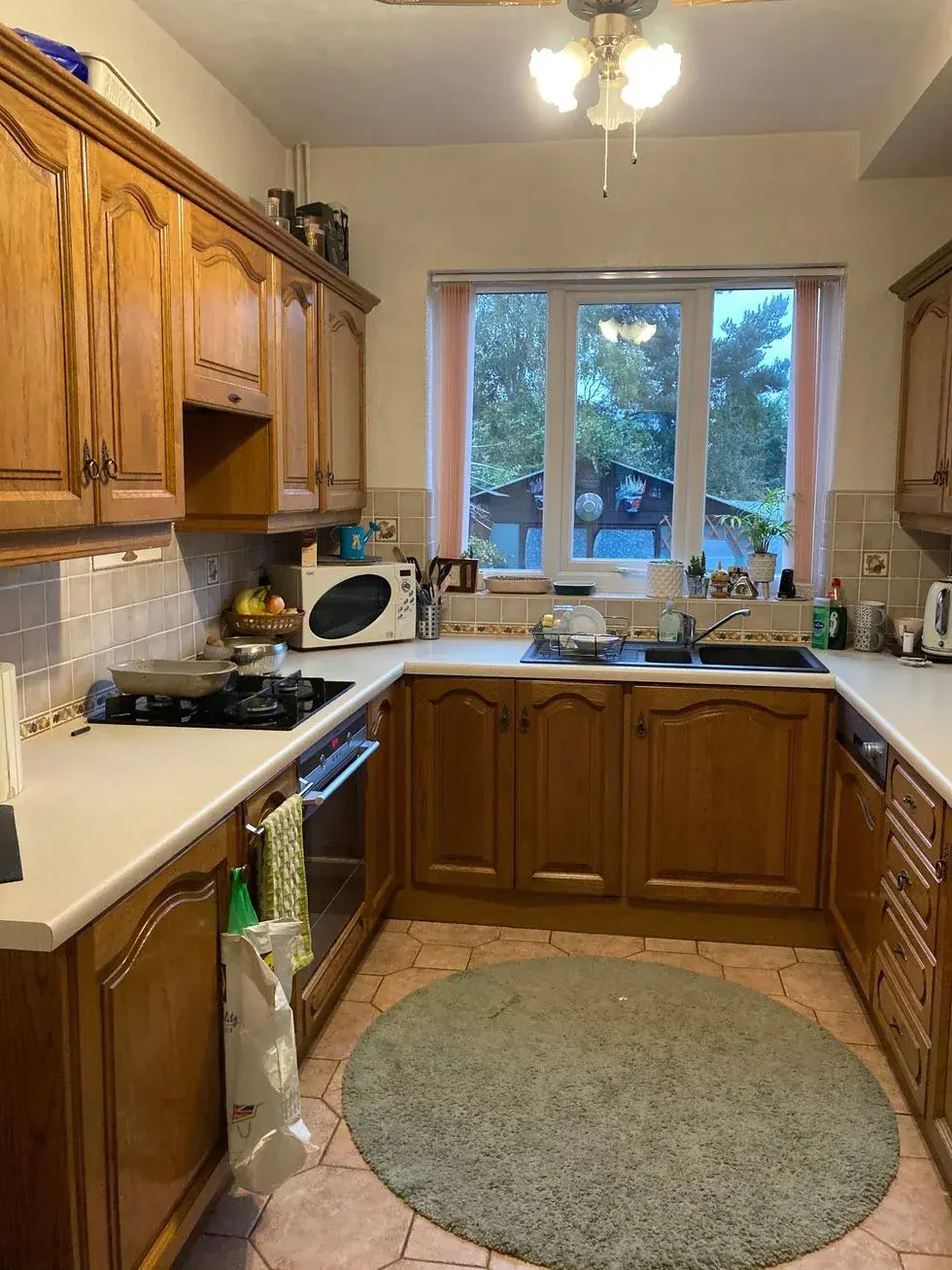
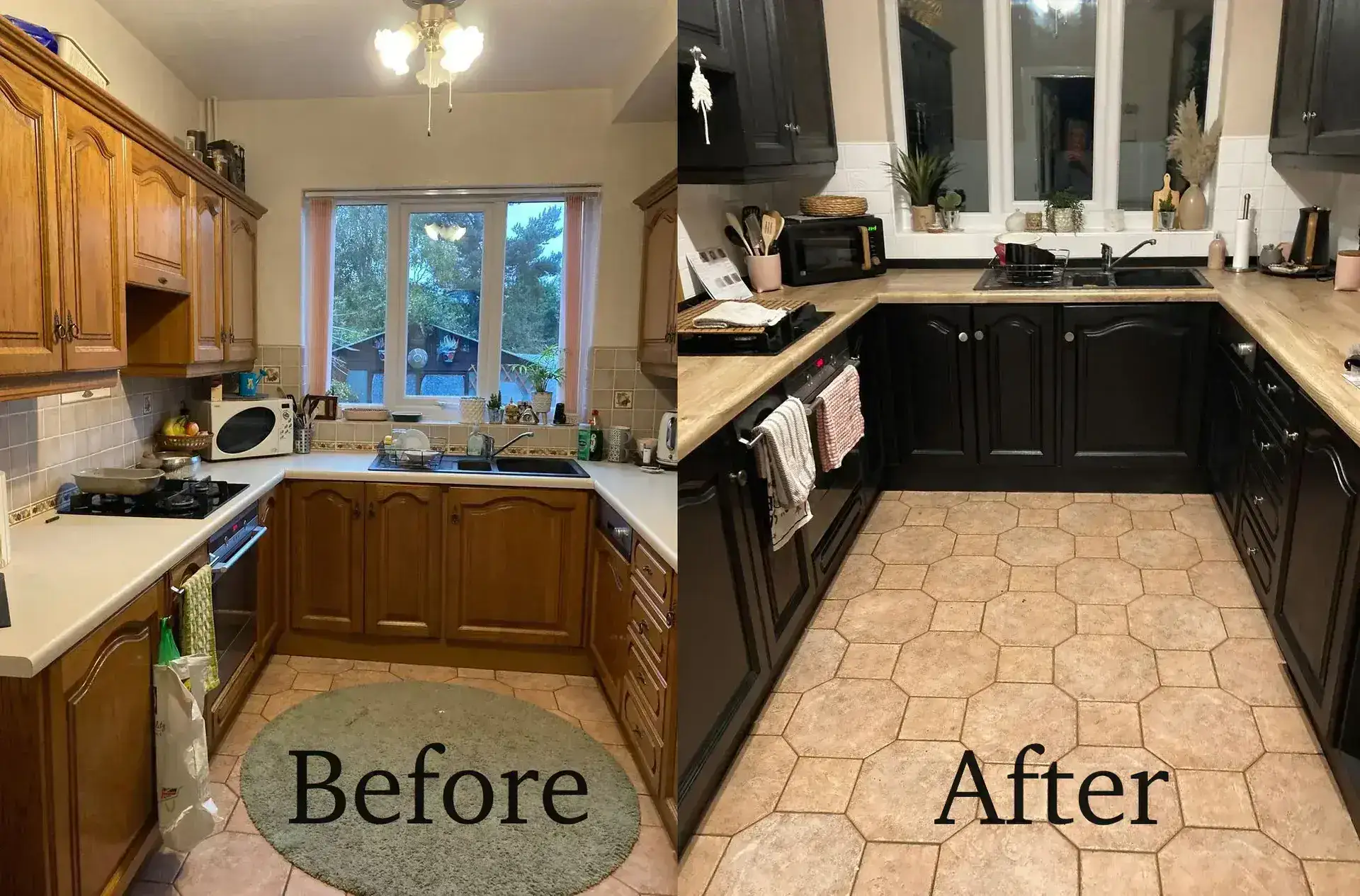
Continuous flooring is one of the most effective strategies for unifying open concept spaces. Using the same flooring material throughout creates visual flow and makes spaces feel larger. Hardwood (particularly wide-plank) is the premium choice, offering warmth and continuity. Luxury vinyl plank (LVP) provides a more budget-friendly option with excellent durability and waterproof properties.
If you prefer different flooring in different areas, create deliberate transitions rather than abrupt changes. Tile in kitchens flowing into hardwood in dining rooms works beautifully when the transition is positioned thoughtfully (often under the edge of cabinets or in natural pathways). Area rugs can define living and dining zones while adding warmth and sound absorption to hard surface floors.
4. Layered Lighting Design
Lighting becomes particularly crucial in open concepts where one lighting scheme must serve multiple functions and moods. The most successful designs incorporate multiple layers: ambient recessed lighting for overall illumination, task lighting over kitchens and dining areas, accent lighting to highlight architectural features or artwork, and decorative fixtures for visual interest.
Smart lighting systems that can control different zones independently are ideal for open concepts. You might have bright task lighting in the kitchen for cooking while maintaining a cozy ambiance in the living area. Dimmers are absolutely essential, allowing you to transform the space from bright and functional to warm and intimate depending on the occasion.
Open Concept Lighting Zones:
- Kitchen Task Lighting: Bright, shadow-free illumination for food prep
- Dining Ambient: Pendant lights with dimmers over tables
- Living Ambient: Recessed lights on separate circuits
- Accent Lighting: Highlight artwork, architectural features
- Under-Cabinet: Task lighting for kitchen workspaces
- Decorative Fixtures: Chandeliers, statement pendants as focal points
Common Open Concept Layouts
The Great Room Concept
The most common open concept creates one large "great room" combining kitchen, dining, and living areas. This layout maximizes flexibility and works particularly well for families who spend most of their time on the main floor. The kitchen typically occupies one wall with an island creating separation. The dining area floats in the middle with the living area at the opposite end.
Kitchen-Family Room Combo
Many homes maintain a separate formal dining room while opening the kitchen to a family room. This keeps the dining area distinct for more formal occasions while creating casual everyday living space. The opening between kitchen and family room is typically wide (8-12 feet) to maintain true openness.
Full Main Floor Open Concept
The most dramatic renovations remove all main floor walls, creating one continuous space from front to back. This creates maximum flexibility and flow but requires careful planning to avoid feeling like a bowling alley. Strategic furniture placement, varied ceiling heights, and partial walls help define zones without complete separation.
Open Concept Renovation Costs
Typical Cost Ranges:
- Simple Wall Removal (non-load bearing): $8,000-$15,000
- Load-Bearing Wall Removal: $20,000-$35,000 including structural beam
- Complete Open Concept Renovation: $50,000-$120,000
- Structural Engineering: $2,000-$5,000
- Permits: $1,500-$3,000
- Flooring Replacement: $10,000-$25,000 (200-400 sq ft main floor)
- Electrical/Plumbing/HVAC Relocation: $10,000-$25,000
Addressing Common Open Concept Concerns
Kitchen Odors and Noise
A common concern about open kitchens is cooking odors and sounds permeating living areas. Powerful range hoods vented to the exterior are essential, choose units rated 400+ CFF for effective odor removal. Dishwashers should be selected for quiet operation (45 decibels or less). Soft-close cabinets and drawers reduce kitchen noise. Consider placement of noisier elements near transitions rather than in the center of living spaces.
Storage Challenges
Open concepts eliminate wall space for upper cabinets, creating storage challenges. Solutions include larger islands with storage, pantry cabinets, floor-to-ceiling built-ins, and thoughtful appliance garages. Many homeowners find they actually gain storage with well-planned open concepts compared to segmented layouts with poorly utilized spaces.
Heating and Cooling Efficiency
Open concepts create larger spaces that may challenge existing HVAC systems. Many homes require system upgrades or zone control to maintain comfort. On the positive side, open concepts often improve air circulation and eliminate hot/cold spots that existed in closed-off rooms. Work with HVAC professionals to ensure your system can properly condition the newly created space.
Is Open Concept Right for You?
Open concepts aren't ideal for every lifestyle. Consider your cooking style, do you make frequent messes you prefer to hide? Your entertainment preferences, do you host large formal dinners or casual gatherings? Your family dynamics, do you need separation for different activities? Your privacy needs, some people prefer defined spaces rather than one large room.
That said, open concepts have become overwhelmingly preferred by Toronto homebuyers and can significantly impact resale value. Even if you're unsure, the flexibility of open spaces tends to win over most skeptics once they experience living in one. Partial opening (removing some but not all walls) can provide a compromise if you're hesitant about going completely open.
Conclusion: Creating Your Dream Open Concept
Open concept renovations transform how we experience our homes, creating brighter, more connected spaces that align with modern life. While the investment is significant ($50,000-$120,000 for complete transformations), the returns in daily enjoyment and property value are equally substantial. The key is thoughtful planning, expert execution, and design that balances openness with defined zones.
Whether you're removing one wall or completely reimagining your main floor, working with experienced renovation professionals ensures structural integrity and beautiful results. Toronto's best open concepts seamlessly blend style and function, creating spaces that work as beautifully as they look.
Ready to Transform Your Main Floor? Our team specializes in open concept renovations across Toronto. We'll handle structural engineering, permits, and construction to create the seamless living space you've been dreaming of. Contact us today for a free open concept renovation consultation.