

ADU Construction Toronto: 2026 Guide to Accessory Dwelling Units
Discover how to build a laneway suite, garden suite, or carriage house on your Toronto property. Learn about zoning, costs, permits, and the exceptional ROI that makes ADUs one of Toronto's smartest investments.

Expert Team
Senior Renovation Consultant
August 20, 2026
Updated for Toronto Market
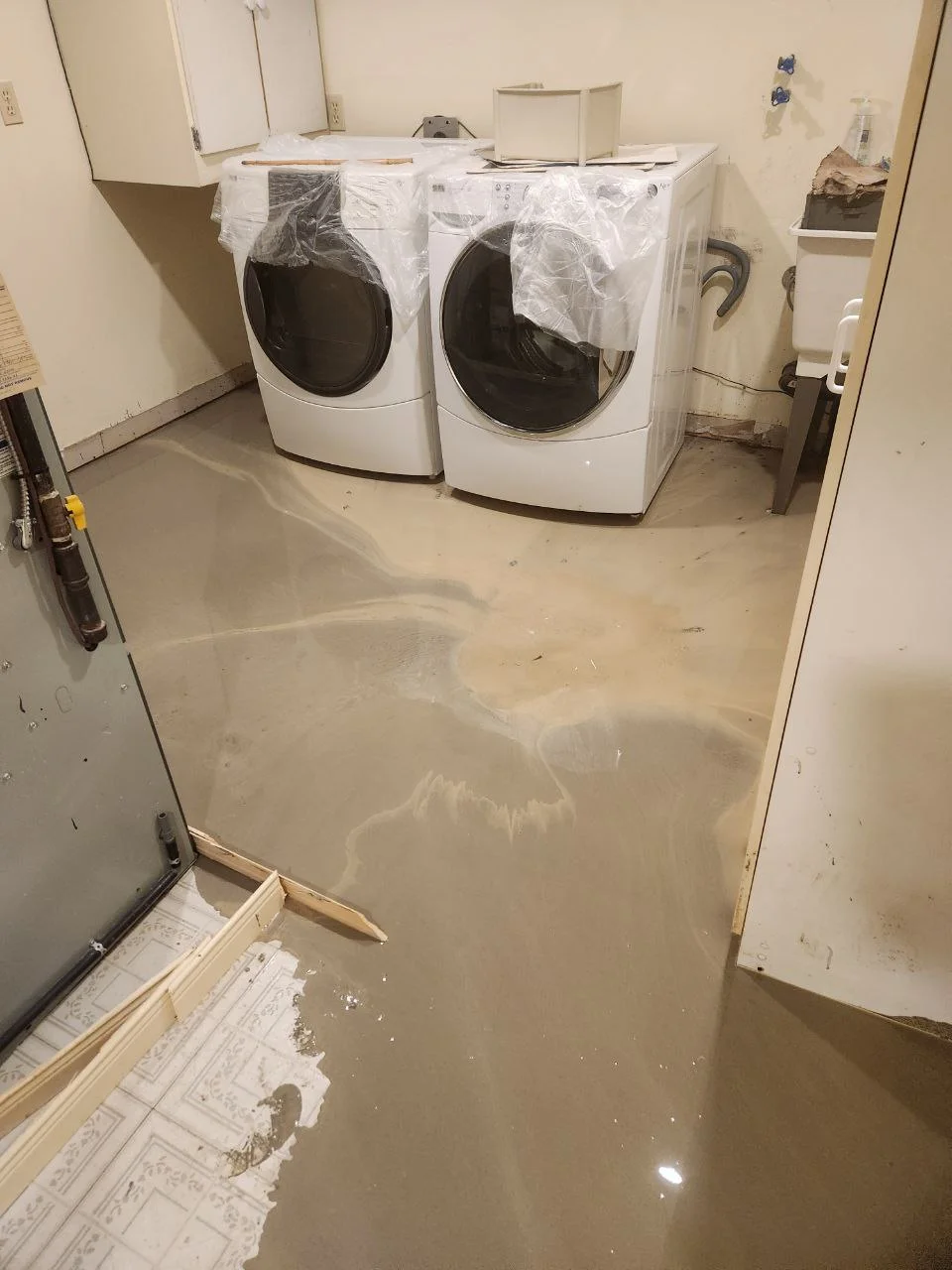
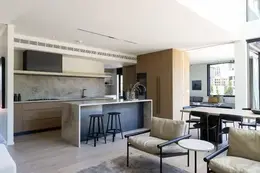
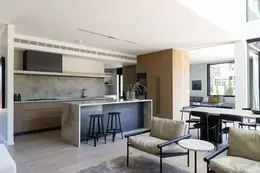
Beautiful laneway suite ADU in Toronto - generating $2,500+ monthly rental income while adding $300,000+ to property value
Quick Insight: Toronto's ADU program has expanded dramatically since 2022, allowing laneway suites and garden suites in most residential neighborhoods. Construction costs range from $200,000-$450,000, with rental income of $2,000-$3,500 monthly and property value increases of $250,000-$400,000. Typical ROI exceeds 10% annually.
The ADU Revolution in Toronto Housing
Accessory Dwelling Units (ADUs)-also known as laneway suites, garden suites, or carriage homes, have emerged as one of Toronto's most exciting housing solutions. These detached secondary units, typically built in backyards or above garages, provide independent living spaces while generating substantial rental income for property owners. Since Toronto's laneway suite program expanded in 2022, ADU construction has increased 300% across the city.
The benefits are compelling. ADUs create affordable housing options in desirable neighborhoods. They provide multigenerational living solutions for families. They generate significant passive income for property owners. They increase property values by 25-40%. Perhaps most importantly, they make efficient use of existing urban infrastructure without changing neighborhood character. From Riverside to Etobicoke, ADUs are transforming how Toronto thinks about residential density.
Types of ADUs in Toronto
Laneway Suites
Laneway suites are built adjacent to public laneways at the rear of properties. These are typically two-story structures that maximize privacy and minimize impact on the main house. Laneway suites have become particularly popular in neighborhoods like Leslieville, Riverdale, and other areas with established laneway networks.
Laneway Suite Characteristics:
- Access directly from laneway (separate from main house)
- Typically 600-1,000 square feet
- Maximum height 6-8 meters (depending on zoning)
- Must maintain setbacks from property lines
- Requires connection to municipal services
- Ideal for rental income or multigenerational living
Garden Suites
Garden suites are detached structures built in backyards, typically accessed through the main property rather than a laneway. These work well in neighborhoods without laneways and can be positioned to maximize privacy and outdoor space. Garden suites are particularly popular in suburban areas like Scarborough and North York.
Garage Top-Up/Conversion
Many properties have existing garages that can be converted to ADUs or have second stories added above them. This can be more cost-effective than ground-up construction since the foundation and some structure already exist. Garage conversions are particularly attractive when the garage is underutilized or in poor condition.
Toronto ADU Regulations and Zoning
Where ADUs Are Permitted
Toronto has dramatically expanded areas where ADUs are permitted. Most residential zones now allow some form of ADU, though specific requirements vary. Key considerations include:
General Requirements:
- Property must be in a residential zone allowing ADUs
- Lot must meet minimum size requirements (typically 5,000+ sq ft)
- Laneway access required for laneway suites
- Setbacks from property lines (typically 3-6 feet)
- Maximum size limits (typically 30-40% of main house floor area)
- Height restrictions (usually 6-8 meters)
- Parking requirements (vary by zone)
Always verify your property's specific zoning before planning an ADU. While policies have become more permissive, requirements still vary. Working with a design professional familiar with Toronto's ADU bylaws is essential, they can navigate complex regulations and identify any hurdles early in planning.
The Permit Process
ADU construction requires multiple permits and approvals. The process typically takes 6-12 months from initial design to construction start. You'll need:
- Building Permit: For construction itself
- Planning Approval: Some zones require committee of adjustment
- Service Connections: Water, sewer, hydro, gas
- Heritage Approval: If in heritage conservation district
Experienced ADU contractors handle the entire permit process, but understanding the timeline helps with planning. Design typically takes 2-3 months, permit approval 3-6 months, and construction 6-12 months depending on complexity.
ADU Design Considerations
Optimal Size and Layout
Most ADUs range from 600-1,000 square feet, large enough to feel comfortable but small enough to be cost-effective. Efficient one-bedroom layouts maximize space with open concepts, combined living/dining/kitchen areas, and full bathrooms. Some ADUs include lofts for additional bedroom space or home offices.
Every square foot counts in ADU design. Built-in storage, murphy beds, and multi-functional furniture maximize usability. Vaulted ceilings create spaciousness without increasing footprint. Large windows and glass doors make spaces feel larger while providing natural light. Many ADUs incorporate outdoor space, decks or patios, that effectively extend living area.
Utility Connections
ADUs need connections to municipal services: water, sewer, electricity, and typically gas. These connections can represent significant costs, particularly if the main house infrastructure needs upgrading to accommodate the additional unit. Service runs from the street to the ADU location can cost $20,000-$50,000 depending on distance and complexity.
Many ADUs incorporate separate utilities for accurate billing. Separate electrical meters allow tenants to pay their own hydro. Gas-fired furnaces and water heaters can be dedicated to the ADU. Smart water meters measure usage separately. While this adds upfront cost, it simplifies landlord-tenant arrangements and is often preferred.
Parking and Access
Parking requirements vary significantly by zone. Some areas require dedicated parking for ADUs, while others waive requirements if near transit. Laneway suites typically don't require parking since they're accessed from lanes rather than streets. Garden suites may require parking spaces unless exemptions apply.
Access considerations are crucial. Laneway suites need adequate lane width for emergency vehicle access. Garden suites require pedestrian access from the front street, this may impact the main house driveway or landscaping. Access must be maintained year-round, including snow clearance.
ADU Construction Costs
Detailed Cost Breakdown:
- Design & Permits: $15,000-$30,000 (architect, engineer, permits)
- Foundation: $25,000-$50,000
- Structure & Framing: $50,000-$100,000
- Utilities & Services: $20,000-$50,000
- Exterior Finishes: $30,000-$60,000
- Interior Finishes: $40,000-$80,000
- Total Project Cost: $200,000-$450,000+ for complete ADU
While significant, these costs compare favorably to Toronto condo prices on a per-square-foot basis. A 700-square-foot ADU at $300,000 works out to $428 per square foot, substantially less than new condos in desirable neighborhoods. The ADU becomes rental property you already own, free from condo fees and with full control.
ADU Rental Income and ROI
The financial performance of ADUs is exceptional. Toronto ADUs typically rent for $2,000-$3,500 monthly depending on size, finishes, and location. That's $24,000-$42,000 annually in gross rental income. Even after accounting for expenses (mortgage interest, property taxes, insurance, maintenance), annual returns typically exceed 10%-far better than most other investments.
Beyond cash flow, ADUs dramatically increase property values. Homes with legal ADUs typically sell for $250,000-$400,000 more than comparable properties without secondary units. This creates substantial equity, often more than the construction cost itself. The combination of rental income and property value increase makes ADUs one of Toronto's best real estate investments.
ADU Use Cases
Rental Income
Most Toronto ADUs are built primarily as rental investments. The steady cash flow helps homeowners carry larger mortgages, save for retirement, or simply offset their own housing costs. With Toronto's rental market remaining tight, ADUs are rarely vacant for long and can be excellent long-term investments.
Multigenerational Living
ADUs are ideal for multigenerational families. Aging parents can maintain independence while staying close to family. Adult children can save money while building their careers. The separate living spaces provide privacy and autonomy while keeping family connected. Many families eventually transition ADUs from rental to family use (or vice versa) as needs change.
Home Office or Studio
Some homeowners use ADUs as dedicated home offices, art studios, or hobby spaces. The separation from the main house creates focus and work-life balance. These uses may not generate rental income but can significantly enhance quality of life and property value. ADUs can be designed to easily convert between these different uses over time.
Challenges and Considerations
Construction Disruption
Building an ADU is a major construction project that typically takes 6-12 months. Your backyard will be a construction zone during this time. There will be noise, dust, and tradespeople coming and going. If you're living in the main house during construction, this can be disruptive. Some homeowners temporarily relocate during the most intensive phases.
Property Taxes
Adding an ADU will increase your property assessment and therefore your property taxes. However, the increase is typically modest compared to the rental income generated. MPAC (Ontario's property assessment corporation) assesses ADUs based on their rental value, which is usually lower than their construction cost. Property tax increases of $1,500-$3,000 annually are common.
Landlord Responsibilities
Being a landlord carries legal responsibilities and practical challenges. Ontario's Residential Tenancies Act provides strong tenant protections. Many ADU landlords hire property management companies for 5-10% of collected rent. Budget for maintenance (typically 10-15% of rental income) and plan for vacancies between tenants.
Is an ADU Right for You?
ADUs make sense for homeowners who: have adequate backyard space, can access financing for construction, are comfortable being landlords (or will use the unit for family), and plan to stay in their home for 5+ years to recoup the investment. The financial returns are excellent, but ADUs require significant upfront capital and commitment to a major construction project.
For the right homeowners, ADUs are transformational, providing financial security, housing flexibility, and substantial property value increases. They represent one of Toronto's smartest real estate investments while addressing the city's critical housing shortage.
Conclusion: Investing in Your Property's Future
ADUs represent one of the most rewarding investments Toronto homeowners can make. They generate substantial passive income, dramatically increase property values, provide multigenerational housing solutions, and create more affordable housing in desirable neighborhoods. While the investment of $200,000-$450,000 is significant, the returns of 10%+ annually make ADUs exceptionally attractive.
The key is proper planning, professional design, and quality construction. ADUs are permanent additions to your property that will last decades, getting them right matters. Working with experienced ADU specialists who understand Toronto's regulations and construction practices ensures your investment delivers the returns you expect.
Ready to Build Your ADU? Our team specializes in laneway suites, garden suites, and garage conversions across Toronto. We'll handle design, permits, and construction to create a beautiful ADU that maximizes your investment. Contact us today for a free ADU consultation.
Frequently Asked Questions
Complete ADU construction typically costs $200,000-$450,000 including design, permits, and all construction. Garage conversions can be less expensive ($150,000-$300,000) since some structure already exists. Costs vary by size, finishes, and site conditions.
Toronto ADUs typically rent for $2,000-$3,500 monthly depending on size, location, and finishes. That's $24,000-$42,000 annually in gross rental income. High-end ADUs in prime locations can command even more.
Most residential zones now allow some form of ADU, but requirements vary. Your property must meet minimum size requirements (typically 5,000+ sq ft lot), setbacks, and other zoning criteria. Always verify your specific property's zoning before planning an ADU.
Plan on 12-18 months total: 2-3 months for design, 3-6 months for permits, and 6-12 months for construction. Simple projects on straightforward properties may move faster, while complex designs or challenging sites take longer.
Yes, ADUs increase property assessments and therefore taxes. However, increases are typically modest-$1,500-$3,000 annually is common. This is relatively small compared to the $24,000-$42,000 in annual rental income the ADU can generate.
Related Articles
Second Story Addition Costs in Toronto
Budgeting for a second storey addition? Get real cost breakdowns, timelines, and tips for Toronto homes.
Read More →
Home Addition vs. Moving: Which Is Right for You?
Weigh the pros, cons, and true costs of adding space to your home versus selling and buying bigger.
Read More →
Basement Legal Secondary Suites in Toronto
Everything you need to know about converting your basement into a legal rental suite in Toronto.
Read More →Your ADU in Toronto Starts With a Feasibility Check
Laneway suite, garden suite or accessory dwelling unit - we assess your lot and permits before you spend a dollar.
Home Renovation consultations are booking up - reserve yours free this month - We prioritize homeowners who book consultations online.