

Basement Income Suite Conversion in Toronto: Your Complete 2026 Guide
Transform your basement into a legal income-generating suite. Learn about permits, costs, design requirements, and ROI for creating a basement apartment that generates $1,500-$2,500 monthly in Toronto's hot rental market.

Expert Team
Senior Renovation Consultant
April 5, 2026
Updated for Toronto Market
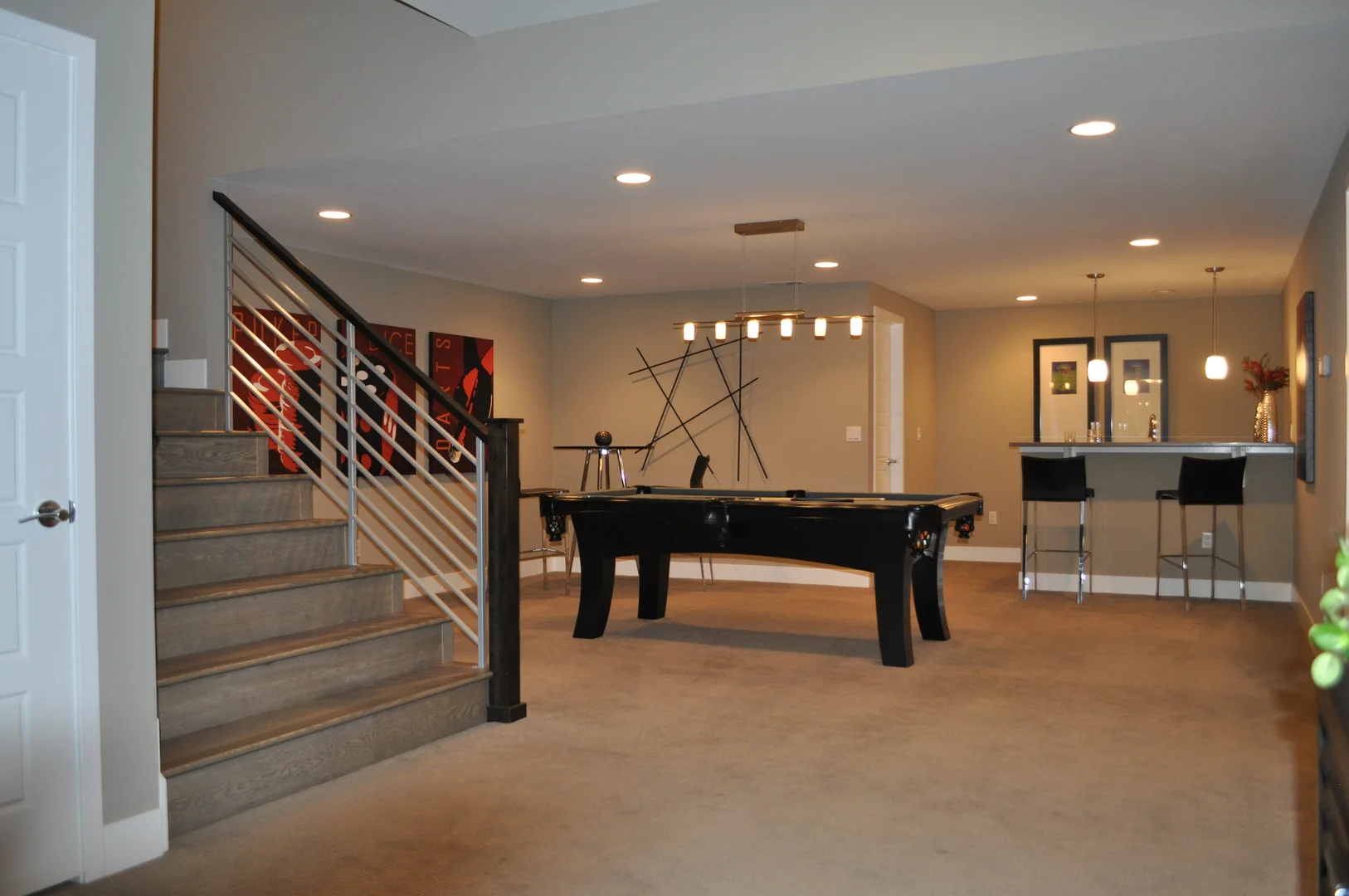
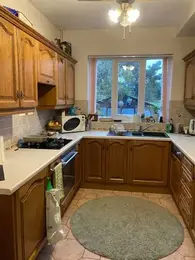
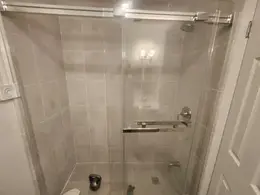
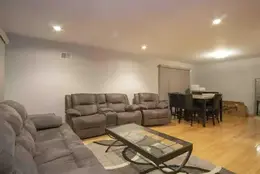
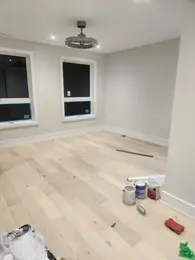
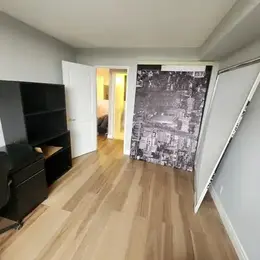
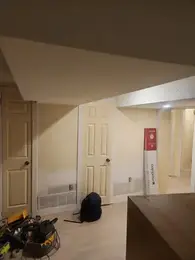
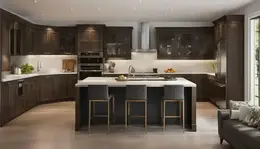
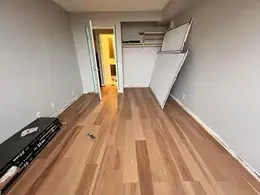
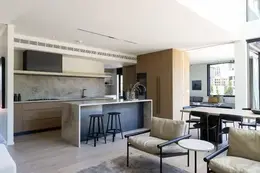
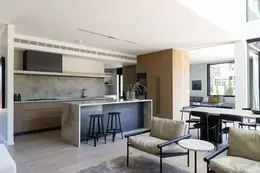
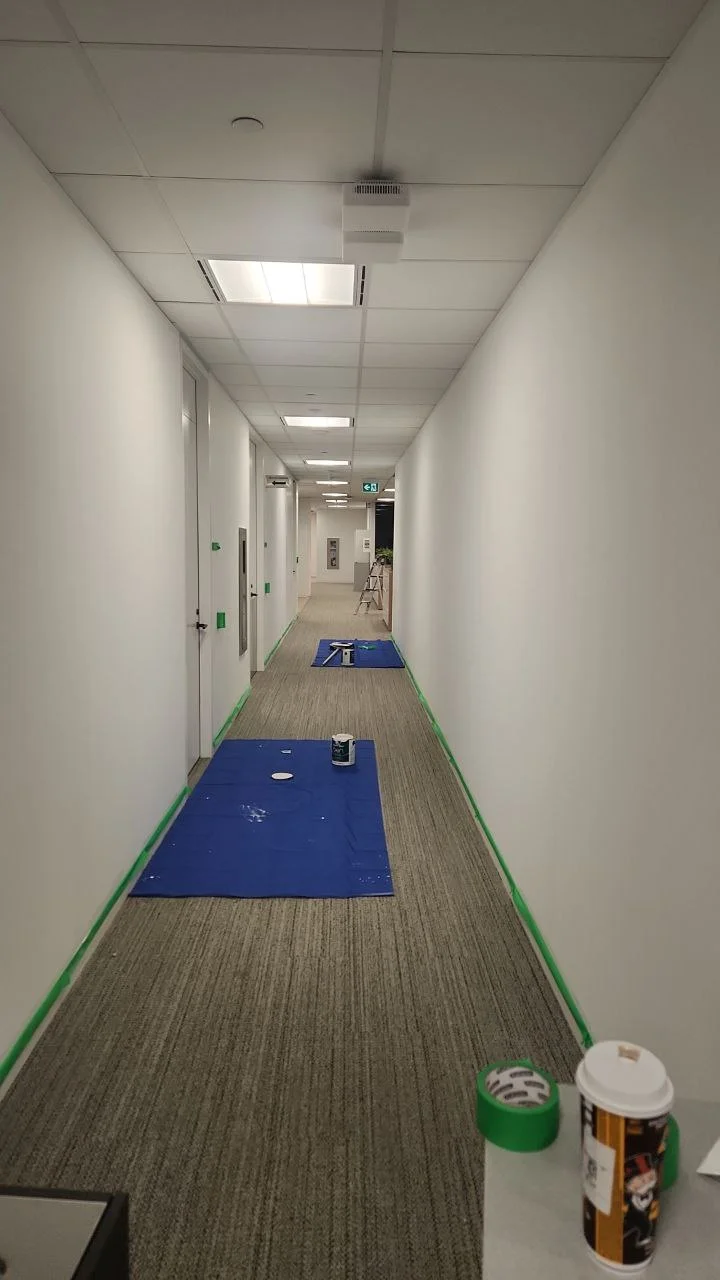
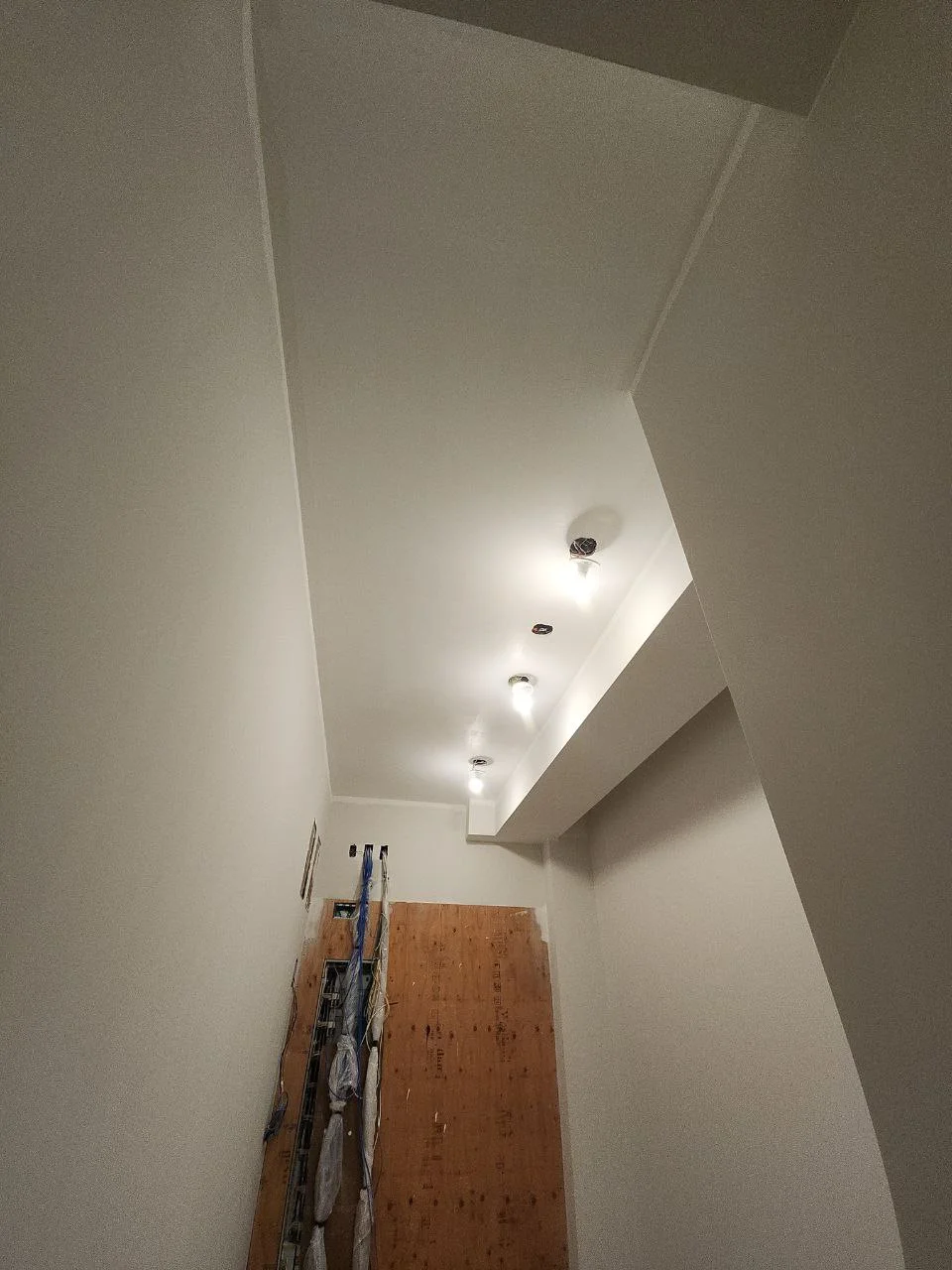
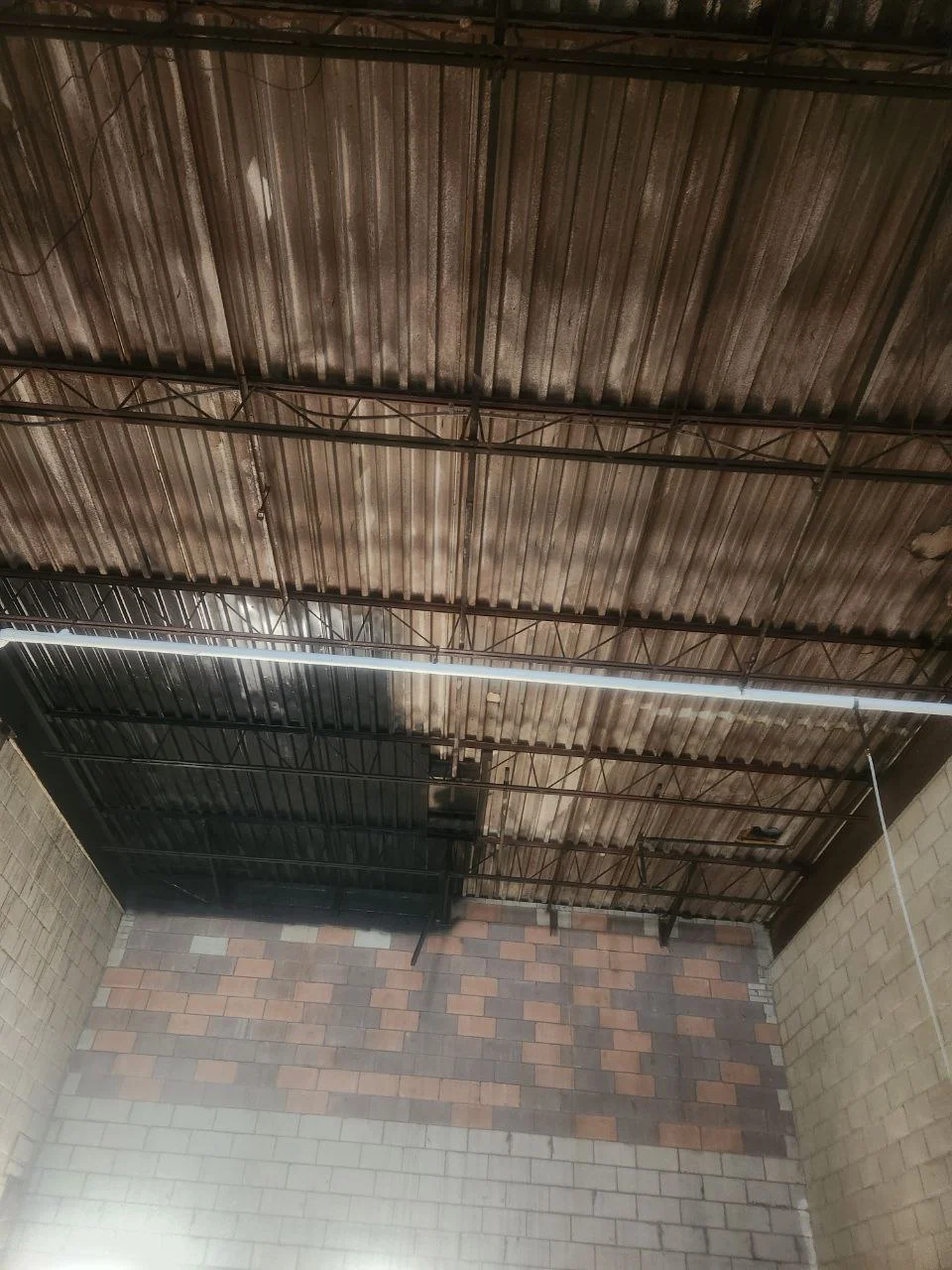
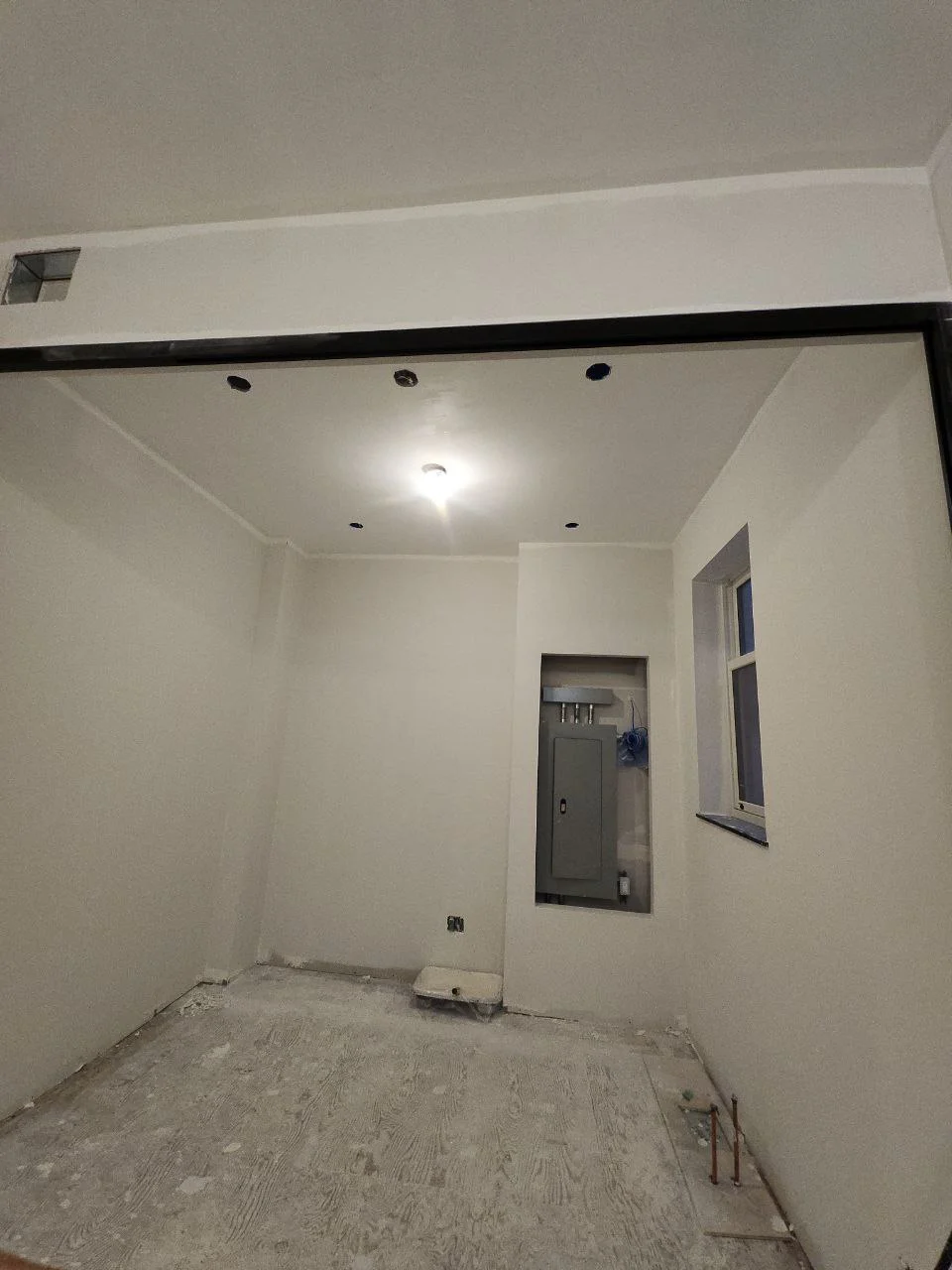
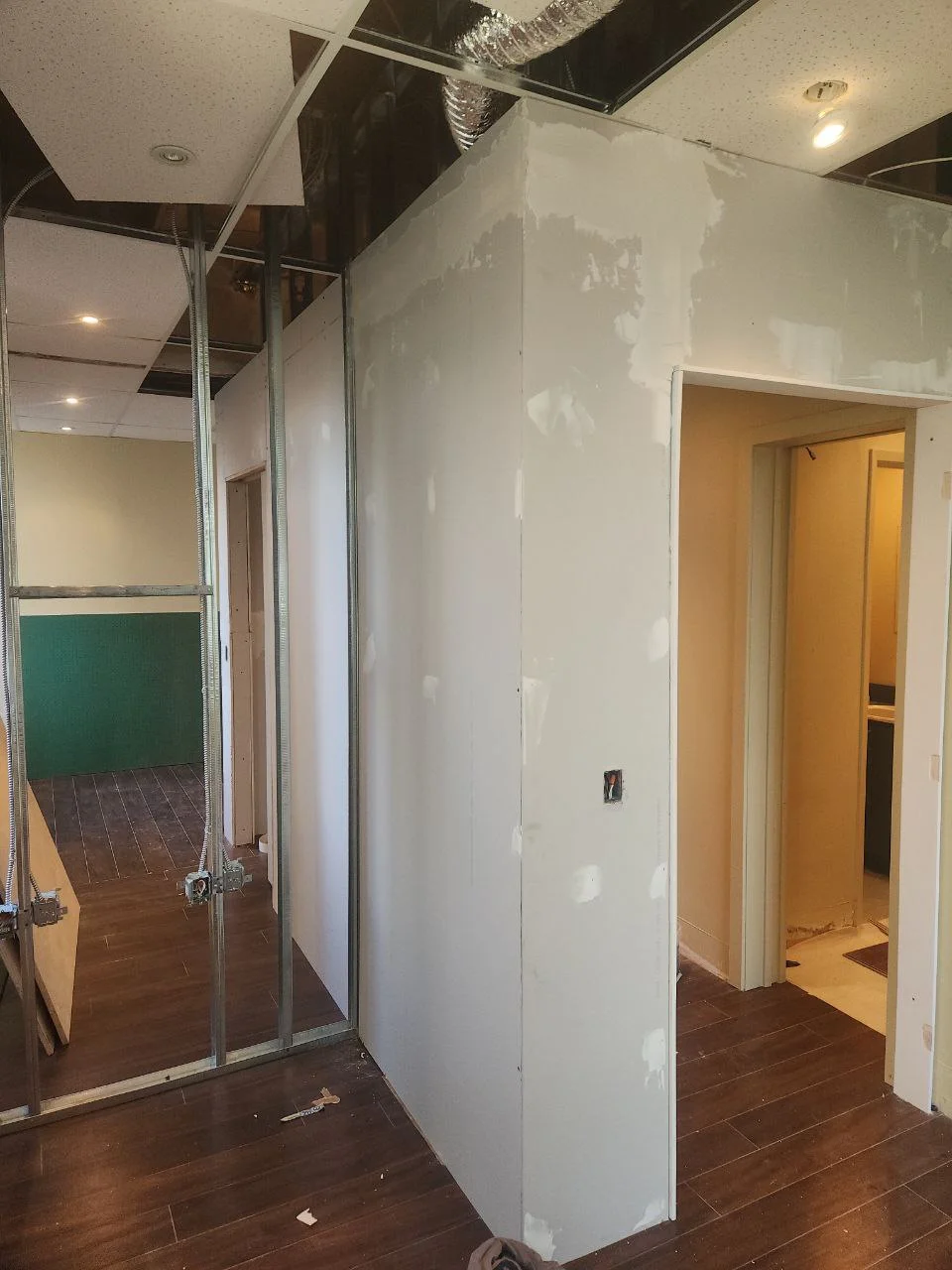
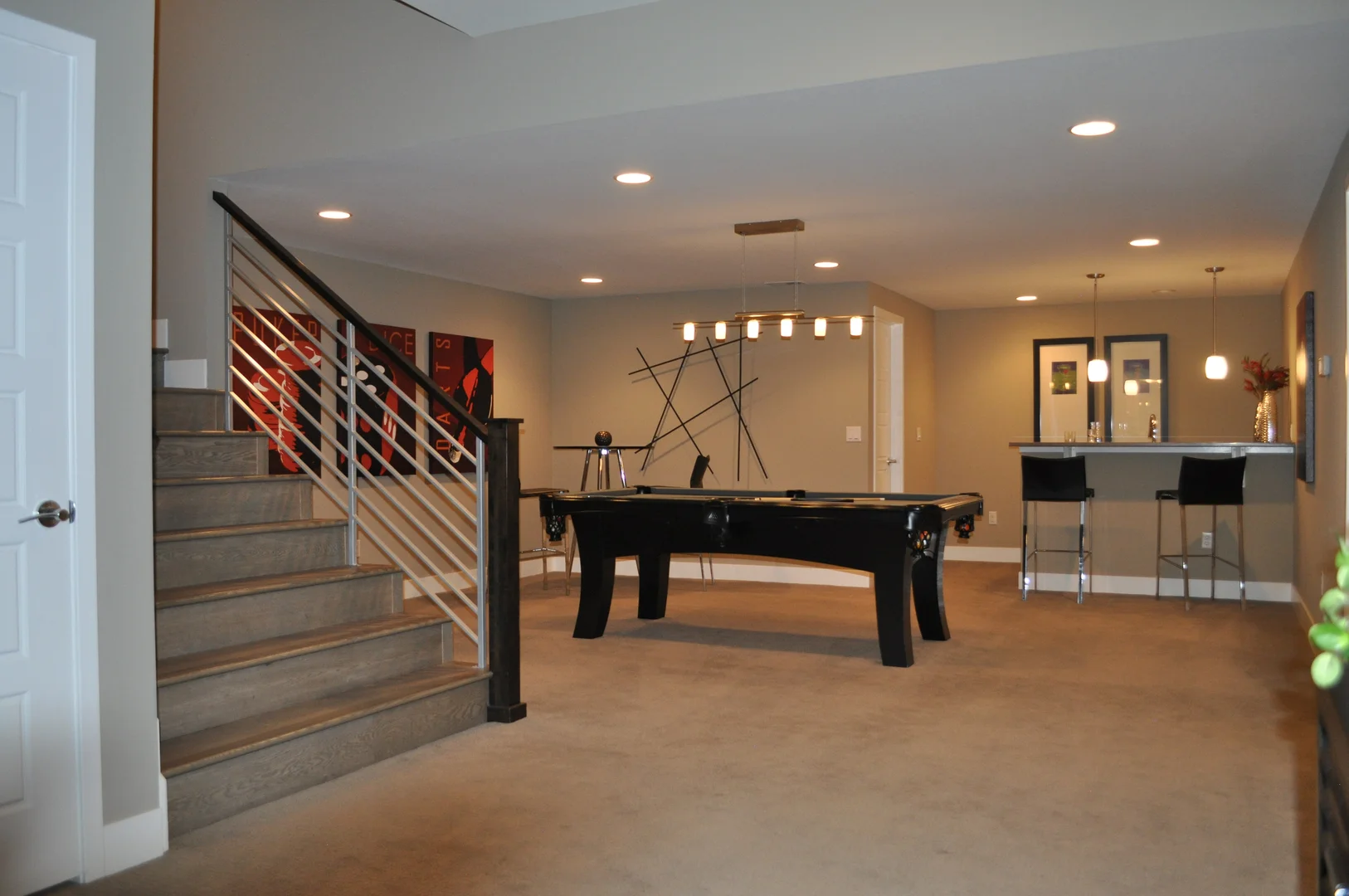
Modern basement income suite with separate entrance, full kitchen, and bathroom - generating $2,000 monthly rental income in Toronto
Quick Insight: Basement apartment conversions in Toronto deliver average returns of 8-12% annually, with rental income of $1,500-$2,500 per month and property value increases of 15-25%. Typical renovation costs range from $50,000-$100,000, with payback periods of 3-5 years.
The Case for Basement Income Suites in Toronto
Toronto's rental market remains among the tightest in North America, with vacancy rates consistently below 2% and rents climbing steadily. For homeowners, this creates an exceptional opportunity to generate significant passive income through basement renovation. A properly designed and legally permitted basement apartment can generate $18,000-$30,000 annually while increasing your property value by 15-25%.
The financial benefits are compelling, but basement suites also serve important social needs. They provide affordable housing options in neighborhoods where supply is limited, accommodate multigenerational families, and make homeownership more affordable by offsetting mortgage costs. With Toronto's ongoing housing shortage, basement apartments represent a smart investment that benefits both homeownership and the community.
Legal Requirements for Toronto Basement Apartments
Ontario Building Code Standards
Toronto basement apartments must meet strict Ontario Building Code requirements to ensure safety and habitability. These standards cover ceiling height, windows, fire safety, electrical systems, plumbing, and more. While the requirements may seem burdensome, they exist to protect both tenants and landlords. A legal basement apartment is safe, insurable, and adds legitimate value to your property.
Essential Legal Requirements:
- Ceiling Height: Minimum 6'11" (2.1 meters) over at least 50% of floor area
- Windows: Every bedroom needs an egress window (minimum 3.8 sq ft with 15" opening)
- Fire Separation: 30-minute fire-rated separation between suite and main residence
- Smoke Alarms: Interconnected smoke detectors on every floor
- Carbon Monoxide: CO detectors required near sleeping areas
- Electrical: Separate electrical panel with adequate capacity (typically 100 amps)
- Heating: Independent temperature control or properly zoned HVAC system
- Plumbing: Proper drainage, backflow prevention, and venting
- Exits: Two separate exits (stairs to outside and separate entrance preferred)
- Parking: Check local zoning requirements (many areas require one parking space)
Many homeowners unknowingly create illegal basement apartments by failing to obtain proper permits or cutting corners on requirements. This creates significant liability risks, voids insurance coverage, and can result in expensive retrofit orders from the city. Always work with licensed contractors who understand Toronto's basement apartment regulations and obtain all necessary permits before beginning work.
The Permit Process Explained
Converting a basement into a legal apartment requires multiple permits and inspections. The process typically takes 2-4 months from initial application to final approval. You'll need a building permit for construction, electrical permit for wiring work, and plumbing permit for fixtures. Your contractor should handle all permit applications, but it's important to understand the process and timeline.
Permit Process Timeline:
- Week 1-2: Design and architectural drawings preparation
- Week 3-4: Permit application submission to City of Toronto
- Week 5-8: Permit review and approval (may require revisions)
- Week 9-12: Construction with rough-in inspections
- Week 13-16: Final inspections and occupancy permit issuance
Designing Your Income Suite for Maximum Appeal
1. Optimal Floor Plan Layout
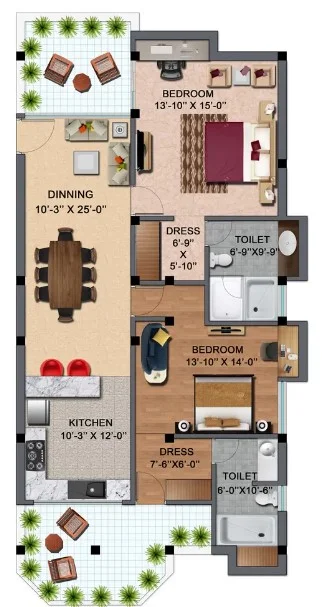
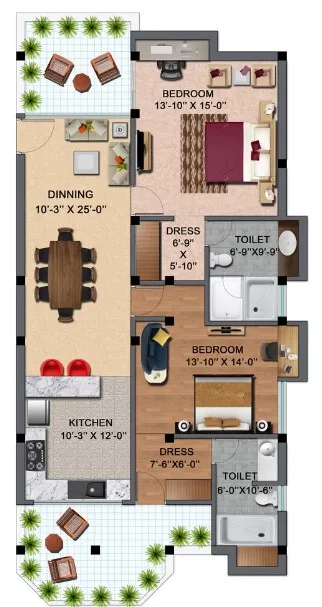
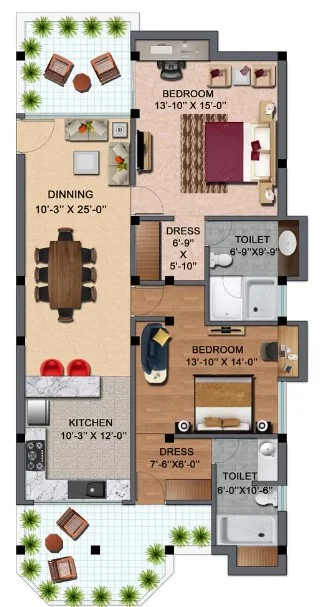
Successful basement apartments feel spacious, bright, and comfortable, not like underground bunkers. The best layouts position living areas at the front of the house near windows, bedrooms toward the quieter rear, and create a natural flow between spaces. Open concept designs maximize perceived space and allow natural light to penetrate deeper into the basement.
A typical one-bedroom basement apartment requires 500-700 square feet. Two-bedroom units should be 700-900 square feet. While it's tempting to maximize rentable square footage, avoid cramming too much into limited space. Tenants prioritize bright, open layouts over awkward extra rooms. Many successful basement apartments are actually spacious one-bedroom units rather than cramped two-bedrooms.
2. Lighting and Brightness Strategies
The biggest challenge with basement apartments is lighting. The best units incorporate multiple strategies to maximize brightness. Egress windows not only meet code requirements but also bring in valuable natural light. Consider enlarging existing windows or adding window wells where possible. Light-colored paint, glossy finishes, and mirrors reflect light and make spaces feel larger.
Artificial lighting should be layered and abundant. Recessed pot lights provide even illumination. Wall sconces add depth and character. Under-cabinet lighting in the kitchen improves functionality. Don't skimp on fixtures, basements need significantly more artificial lighting than above-grade spaces. Consider daylight-mimicking LED bulbs (5000K color temperature) which feel brightest and most natural.
Lighting Requirements for Basement Suites:
- Recessed pot lights every 4-5 feet throughout all rooms
- Separate switching for different lighting zones
- Under-cabinet lighting in kitchen
- Task lighting over bathroom vanities
- Ambient lighting in living area (floor lamps or additional fixtures)
- Light-colored walls and ceilings (white, light gray, cream)
- Glossy finishes reflect more light than matte
- Mirrors strategically placed to amplify natural light
3. Kitchen and Bathroom Design
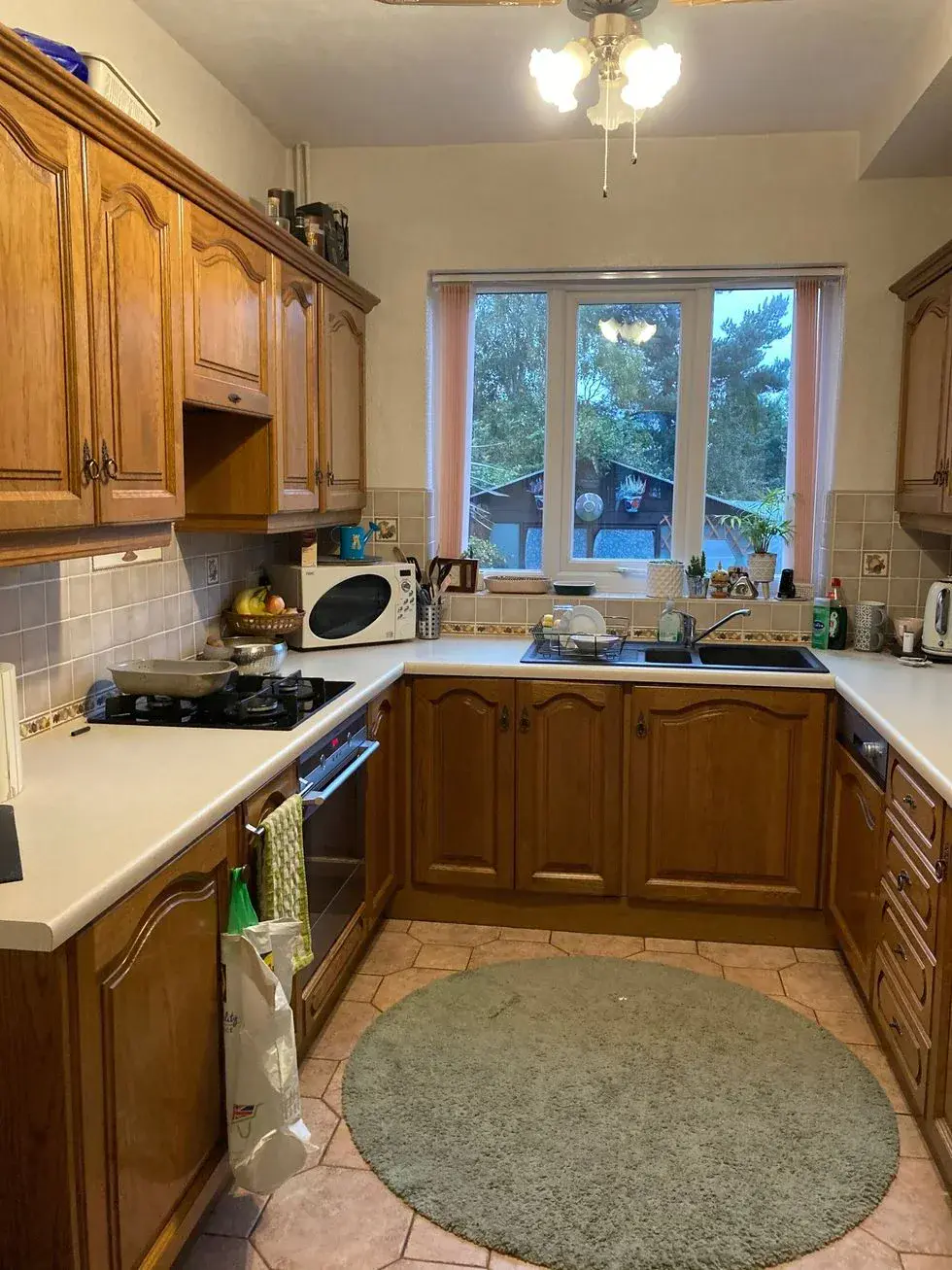
Efficiency is key in basement apartment kitchens. L-shaped or galley layouts work well in limited spaces. Include full-sized appliances rather than apartment-sized versions, tenants appreciate the capability to cook and store groceries properly. Quality cabinetry and countertops justify higher rent and stand up to wear from multiple tenants over the years.
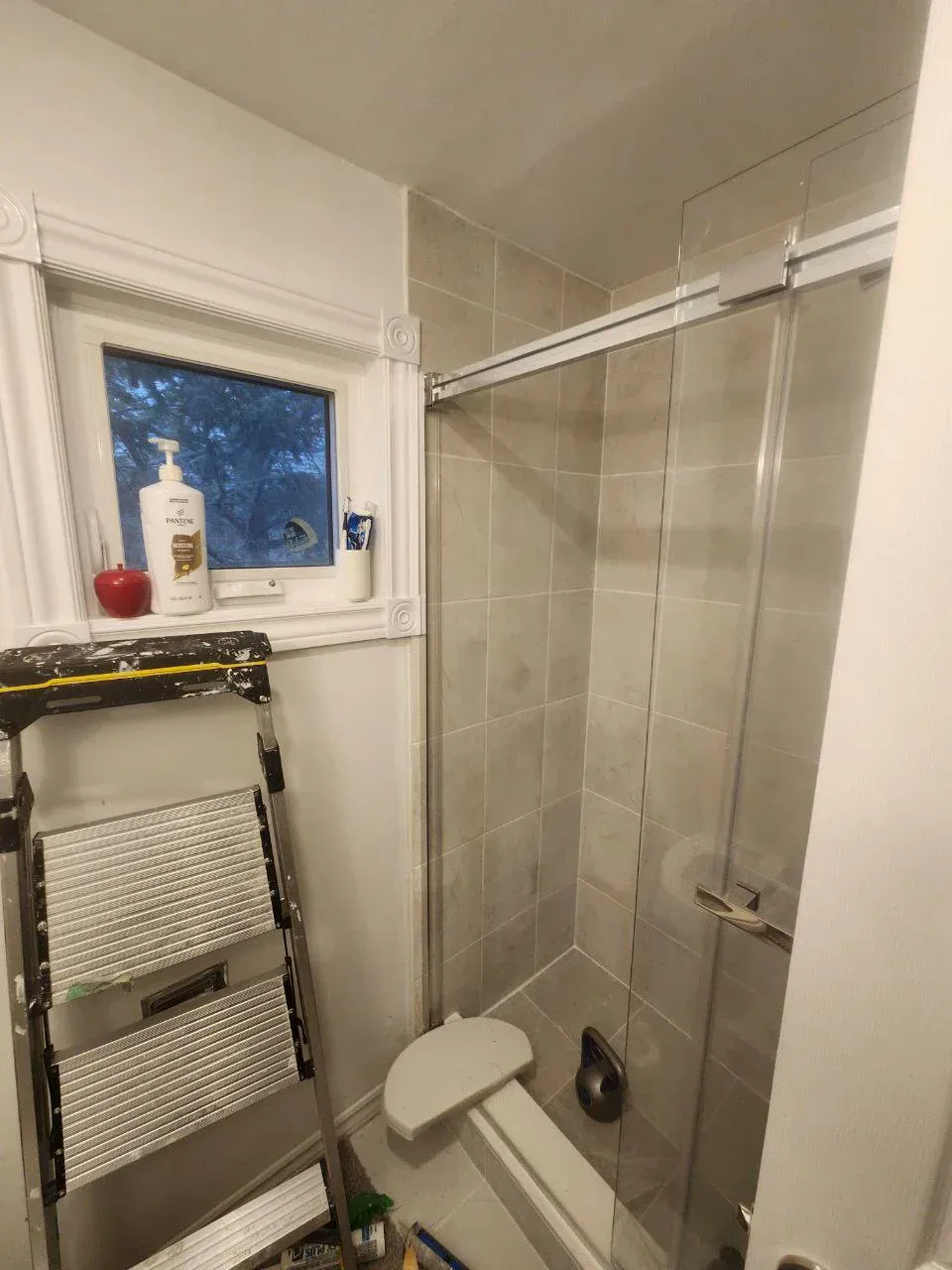
Bathrooms should feel spacious despite typically being smaller. Frameless glass shower doors open up space visually. Wall-hung vanities create floor space and make cleaning easier. Good ventilation is absolutely critical in basement bathrooms, install quality exhaust fans with humidity sensors to prevent moisture problems. Many Toronto homeowners are adding luxury touches like heated floors and rain showerheads to command premium rents.
4. Soundproofing and Privacy
Both tenants and homeowners appreciate effective soundproofing between basement suites and main living areas. Install insulation in the basement ceiling (R-20 or higher). Use resilient channels or double layers of drywall to reduce sound transmission. Solid core doors rather than hollow core make a significant difference. Consider soundproofing around mechanical units and laundry areas.
Separate entrances provide privacy and independence for tenants while allowing homeowners to come and go without disturbing each other. Side entrances through the garage or rear entrances are common. Exterior stairs should be well-lit, covered if possible, and maintained year-round. Keyless smart locks allow secure access without exchanging physical keys.
Basement Apartment Costs and ROI Analysis
The cost to convert a basement into a legal apartment varies widely based on existing conditions, size, and finish quality. Basic conversions starting with an unfinished basement typically cost $50,000-$75,000. If you already have some finished space or rough-in plumbing, costs might be $35,000-$50,000. Premium conversions with high-end finishes can cost $75,000-$100,000 or more.
Detailed Cost Breakdown:
- Permits & Design: $3,000-$5,000 (architect, permits, inspections)
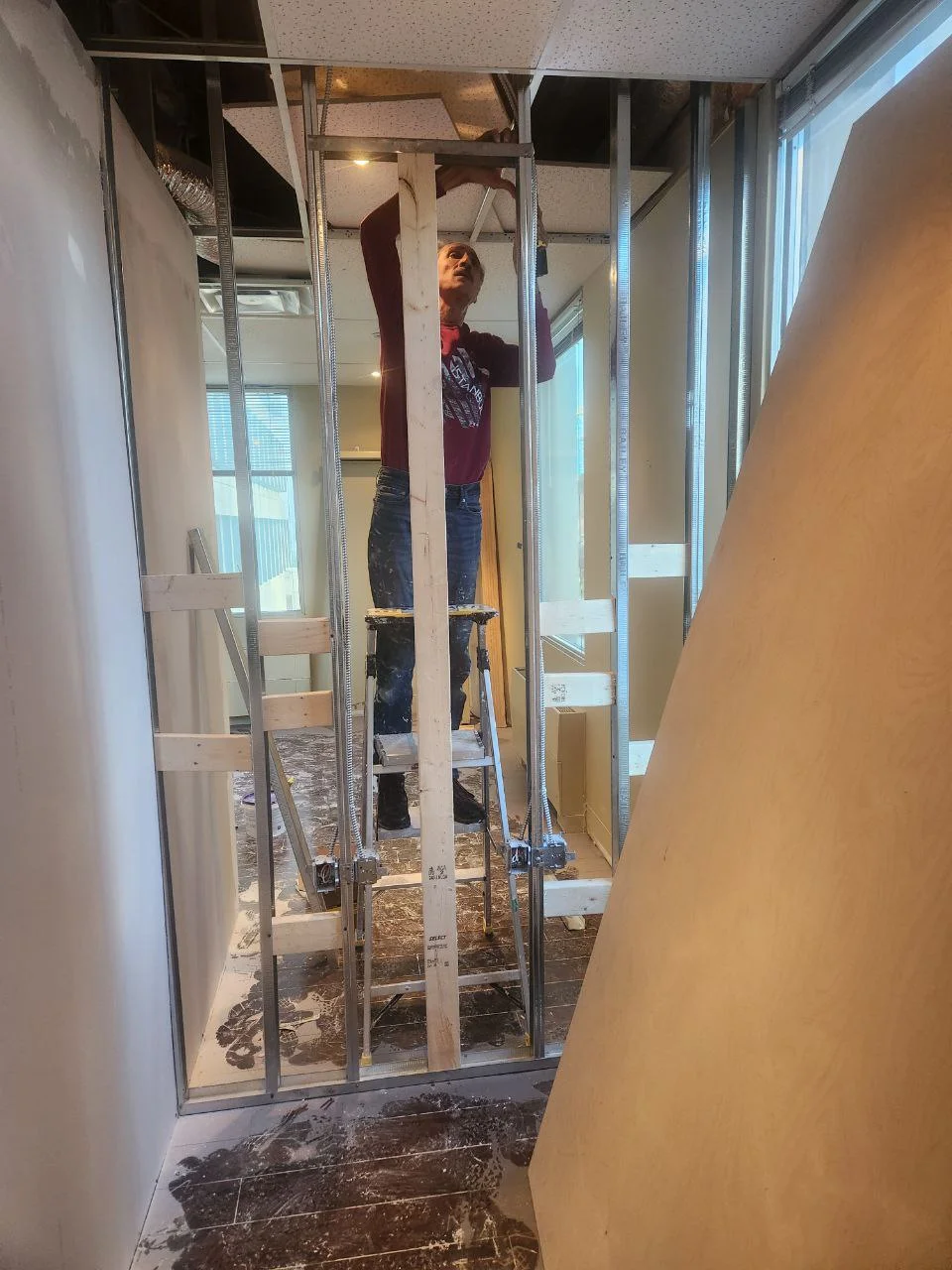
- Framing & Drywall: $8,000-$12,000 (walls, ceilings, fire separation)
- Electrical: $6,000-$10,000 (new panel, wiring, fixtures)
- Plumbing: $8,000-$15,000 (bathroom rough-in, fixtures, drainage)
- Heating: $4,000-$8,000 (HVAC zone or separate system)
- Flooring: $4,000-$7,000 (LVP, tile, carpet)
- Kitchen: $8,000-$15,000 (cabinets, counters, appliances)
- Bathroom Finishes: $5,000-$10,000 (vanity, toilet, shower/tub, tile)
- Windows & Exterior: $5,000-$10,000 (egress windows, exterior door)
- Contingency: 10-15% for unexpected issues
The return on investment is compelling. With rental income of $1,500-$2,500 monthly (Toronto basement apartments in good neighborhoods command premium rents), annual income reaches $18,000-$30,000. Combined with property value increases of 15-25%, the investment pays for itself in 3-5 years even after accounting for maintenance, vacancy periods, and taxes. After the initial investment is recouped, basement suites provide essentially passive income that keeps pace with inflation.
Landlord Responsibilities and Considerations
Being a landlord carries legal responsibilities and practical challenges. Ontario's Residential Tenancies Act provides strong tenant protections that landlords must understand. Security deposits are limited to one month's rent (last month's rent), rent increase guidelines apply annually, and eviction procedures follow strict rules. Many landlords hire property management companies for 5-10% of collected rent to handle these responsibilities.
Budget for ongoing maintenance and repairs. A good rule is setting aside 10-15% of rental income for maintenance. Plan for vacancies between tenants, typically 2-4 weeks annually. You'll also need to declare rental income on taxes, though many expenses (mortgage interest, property taxes, insurance, maintenance, depreciation) are deductible. Consult with an accountant familiar with rental property taxation.
Landlord Responsibilities:
- Maintain property in good repair and fit for habitation
- Respect tenant privacy (24-hour notice for entry except emergencies)
- Follow proper procedures for rent increases and lease terminations
- Comply with all health, safety, and building standards
- Provide necessary receipts and documents within required timelines
- Ensure utilities and services are maintained
- Respond promptly to repair requests
- Follow proper eviction procedures through the Landlord and Tenant Board
Maximizing Rental Income and Property Value
Well-designed basement apartments in desirable Toronto neighborhoods can command premium rents. Features that justify higher monthly payments include in-suite laundry, upgraded kitchens with quartz countertops and stainless appliances, modern bathrooms with frameless glass showers, private outdoor space, and parking included. High-speed internet and smart home technology (thermostat, locks) increasingly appeal to quality tenants.
Curb appeal matters. A well-maintained separate entrance, good exterior lighting, and attractive landscaping create positive first impressions. Tenants (and future buyers if you sell) assess properties from the outside before seeing the interior. Investing in exterior improvements pays dividends in both rental income and property value.
Conclusion: Is a Basement Suite Right for You?
Basement income suites represent one of Toronto's best real estate investments. They generate reliable passive income, significantly increase property value, help address the housing shortage, and can accommodate family members when needed. The upfront investment of $50,000-$100,000 typically pays for itself within 3-5 years, after which the suite provides essentially pure profit for decades.
The key is doing it right, obtaining proper permits, meeting all building code requirements, and creating a bright, comfortable living space that appeals to quality tenants. Working with experienced basement renovation contractors familiar with Toronto's regulations ensures your investment is safe, legal, and profitable.
Ready to Create Your Income Suite? Our team specializes in legal basement apartment conversions across Toronto. We'll handle permits, design, and construction to create a safe, attractive suite that generates maximum rental income while adding significant value to your home. Contact us today for a free basement apartment consultation.
Frequently Asked Questions
Toronto basement apartments typically rent for $1,500-$2,500 monthly depending on location, size, and finishes. Suites in desirable neighborhoods like Downtown Toronto, North York, and Etobicoke command premium rents at the higher end of this range.
The entire process from design to completion typically takes 4-6 months. This includes 1-2 months for permit approval and 3-4 months for construction and inspections. Starting with a well-planned design and reputable contractor helps keep the project on schedule.
While not absolutely legally required in all cases, a separate entrance is strongly recommended and increasingly expected by tenants. It provides privacy and independence for both tenants and homeowners, allows for easier rental, and significantly increases property value.
Property tax assessments may increase slightly due to the additional living space, but this is typically modest compared to the rental income generated. The increase in property value (15-25%) far outweighs any additional tax burden. Consult with a tax professional for your specific situation.
Yes! Many families use basement suites to house aging parents, adult children, or extended family members. This multigenerational living arrangement can work wonderfully when designed with proper soundproofing, separate entrances, and independent climate control. See our guide to multigenerational home renovations for more details.
Related Articles
Basement Legal Secondary Suites in Toronto
Everything you need to know about converting your basement into a legal rental suite in Toronto.
Read More →
Complete Basement Waterproofing Guide for Toronto Homeowners
Stop leaks before they start. Expert waterproofing methods, costs, and contractor tips for Toronto.
Read More →
Toronto Building Permits: A Complete Guide for Homeowners
Navigating Toronto building permits doesn't have to be stressful. Here's everything you need to know.
Read More →A Basement Income Suite in Toronto Can Pay Your Mortgage
Legal basement apartments rent for $1,500-$2,500 monthly. We handle permits, egress and the build.
Home Renovation consultations are booking up - reserve yours free this month - We prioritize homeowners who book consultations online.