

Multigenerational Home Renovations Toronto: 2026 Design Guide
Create a harmonious home for multiple generations with practical design solutions, in-law suites, and accessible renovations. Learn how Toronto families are adapting homes for grandparents, adult children, and everyone in between.

Expert Team
Senior Renovation Consultant
March 10, 2026
Updated for Toronto Market
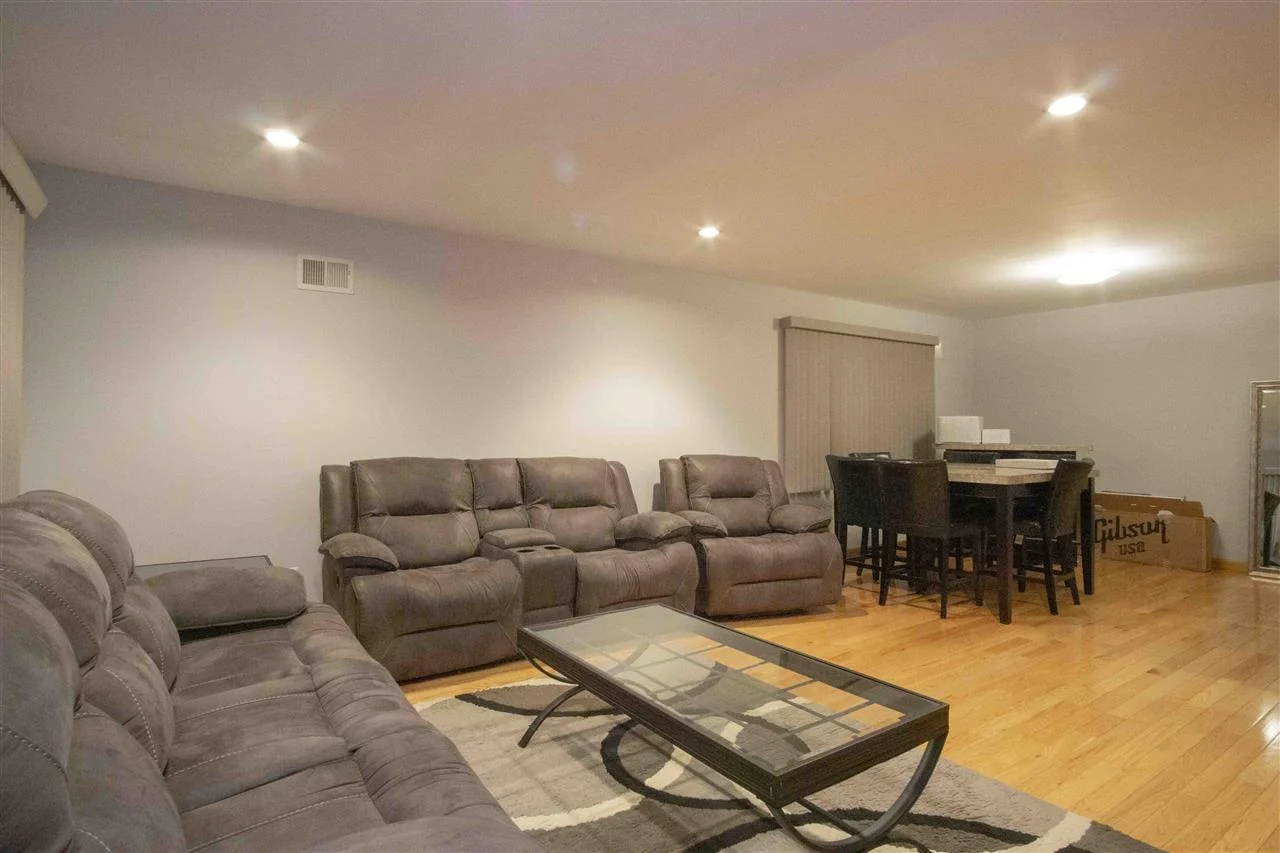
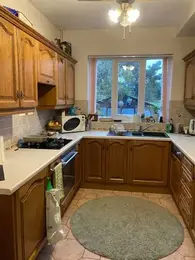
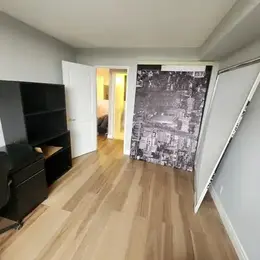
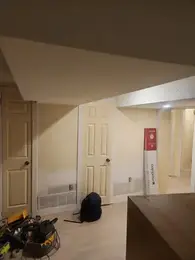
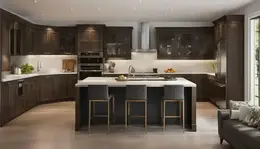
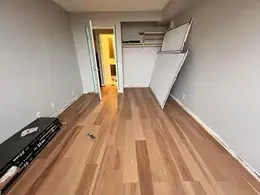
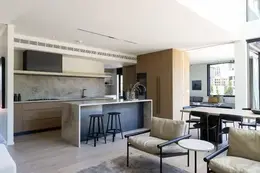
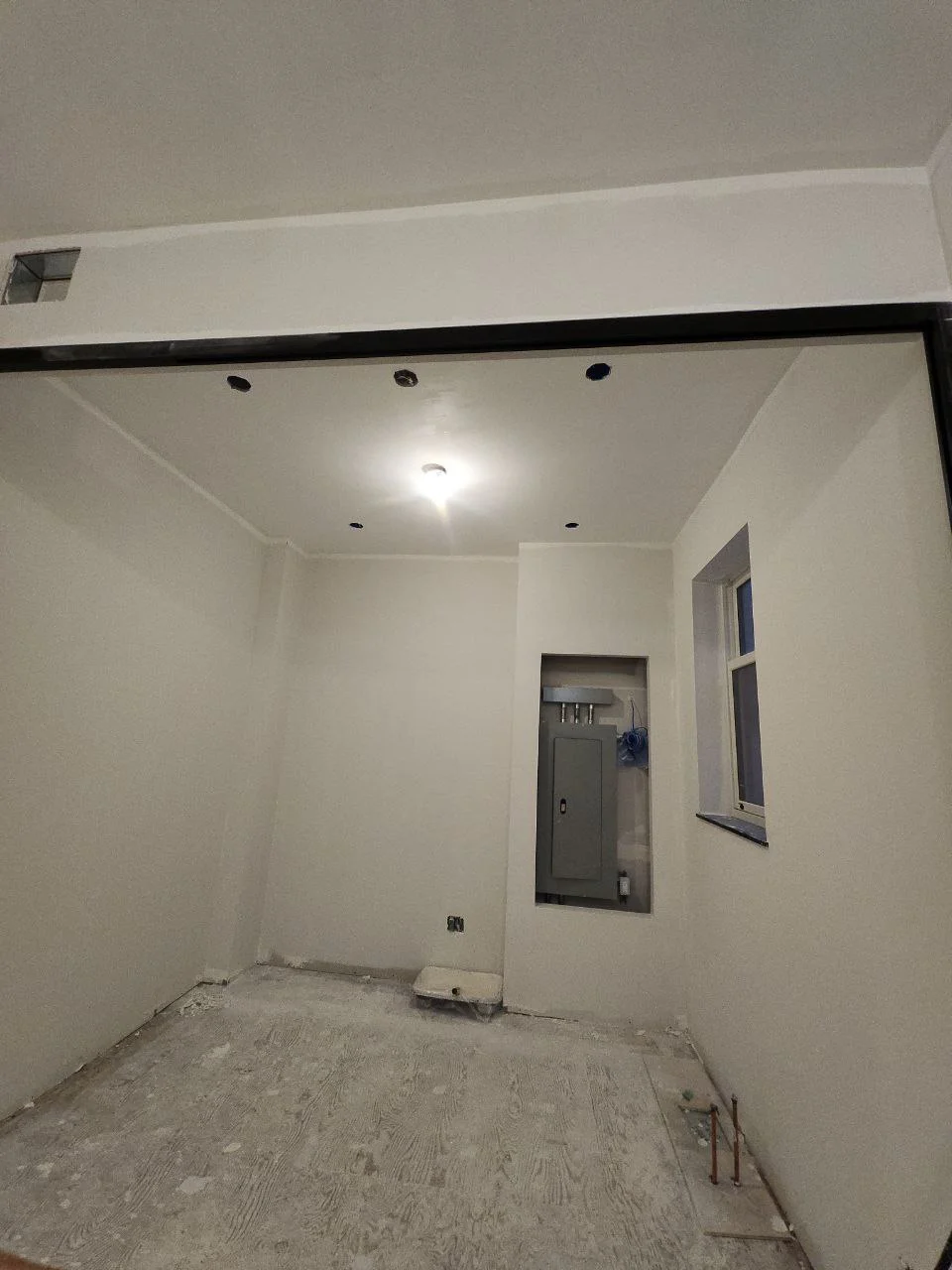
Beautiful multigenerational home featuring private in-law suite with separate entrance - a growing trend in Toronto renovations for 2026
Quick Insight: Multigenerational home renovations have increased 340% in Toronto since 2020, with average investments of $75,000-$150,000 creating private suites that increase property value by 15-20% and providing rental income potential of $1,200-$2,000 monthly.
The Rise of Multigenerational Living in Toronto
Toronto is experiencing a fundamental shift in how families approach housing, driven by soaring real estate prices, cultural preferences, and the practical benefits of living together. Multigenerational homes, where grandparents, parents, and adult children share one property, have become increasingly common across the GTA. From Brampton to Markham, families are investing in renovations that make shared living comfortable, private, and harmonious.
The benefits are compelling. Shared living expenses reduce financial pressure on all generations. Grandparents provide childcare support, parents care for aging relatives, and adult children save for their own futures. The key to success lies in thoughtful design that balances togetherness with privacy, accessibility for all ages, and flexibility to adapt as family needs evolve. Modern multigenerational renovations are far more sophisticated than simply adding a basement apartment, they create true harmony between independent living spaces within one home.
Essential Design Elements for Multi-Gen Homes
1. Private In-Law Suites with Separate Entrances
The cornerstone of successful multigenerational living is creating truly independent living spaces. In-law suites typically include a bedroom, sitting area, bathroom, and kitchenette. The most valuable feature is a separate entrance, allowing complete autonomy for grandparents or adult children. These suites are commonly created through basement renovations, home additions, or by reconfiguring existing main-floor space.
Essential In-Law Suite Features:
- Private entrance with covered porch or deck
- Full kitchen or kitchenette with appliances
- Three-piece bathroom with accessibility features
- Separate HVAC zone with individual temperature control
- Soundproofing between shared walls and ceilings
- Individual electrical panel for separate metering capability
- Smart lock integration for secure keyless access
Zoning regulations vary across Toronto, so it's essential to verify requirements before beginning construction. Some areas allow basement apartments with separate entrances, while others have restrictions. Working with experienced renovation contractors familiar with local bylaws ensures your suite meets all legal requirements. Properly permitted suites can generate rental income ($1,200-$2,000 monthly in Toronto) while increasing property value by 15-20%.
2. Universal Design and Accessibility Features
Multigenerational homes must accommodate residents of all ages and abilities. Universal design principles ensure spaces work equally well for toddlers, parents, and grandparents. These features aren't just about accommodating disabilities, they make homes more comfortable and safer for everyone. In renovations across Mississauga and Oakville, we're seeing universal design move from specialized to standard.
Accessibility Upgrades for Multi-Gen Living:
- Step-Free Entrances: Ramps or graded walkways with proper handrails
- Wider Doorways: 36-inch minimum width for wheelchair accessibility
- Main-Floor Living: Bedroom, bathroom, kitchen on main level
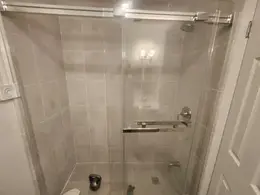
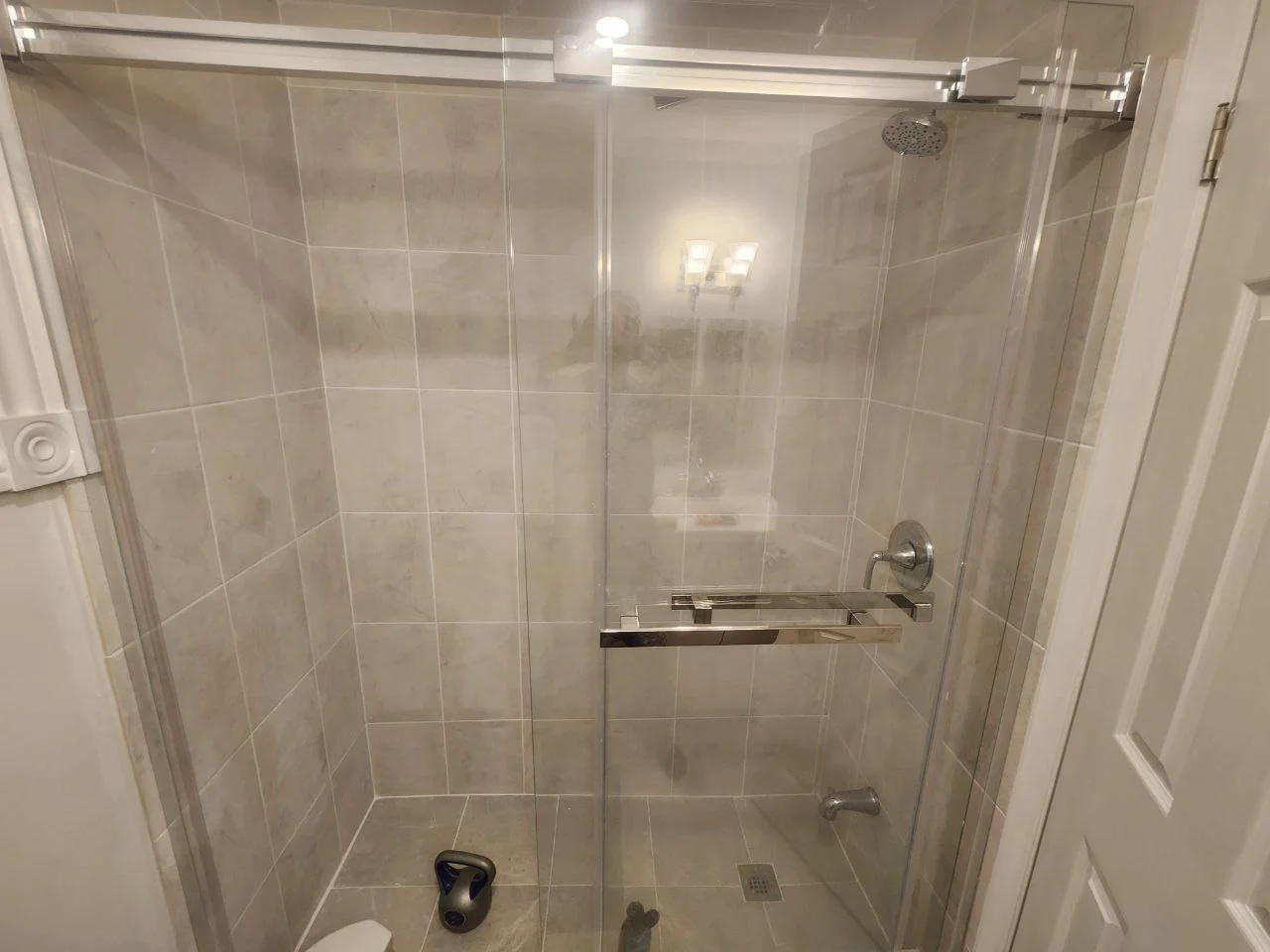
- Roll-in Showers: Curbless showers with grab bars and seating
- Lever Handles: Easy-to-use door and faucet hardware
- Non-Slip Flooring: Safe surfaces throughout the home
- Proper Lighting: Bright, glare-free illumination with motion sensors
- Lowered Counters: Adjustable or multi-height work surfaces
Many of these features are most cost-effective to incorporate during initial renovations rather than retrofitting later. For example, widening doorways during a full home renovation costs significantly less than modifying finished walls later. Similarly, building a step-free entrance during a garage conversion or addition is more practical than adding ramps later.
3. Shared and Private Space Balance
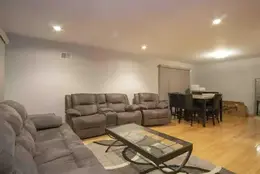
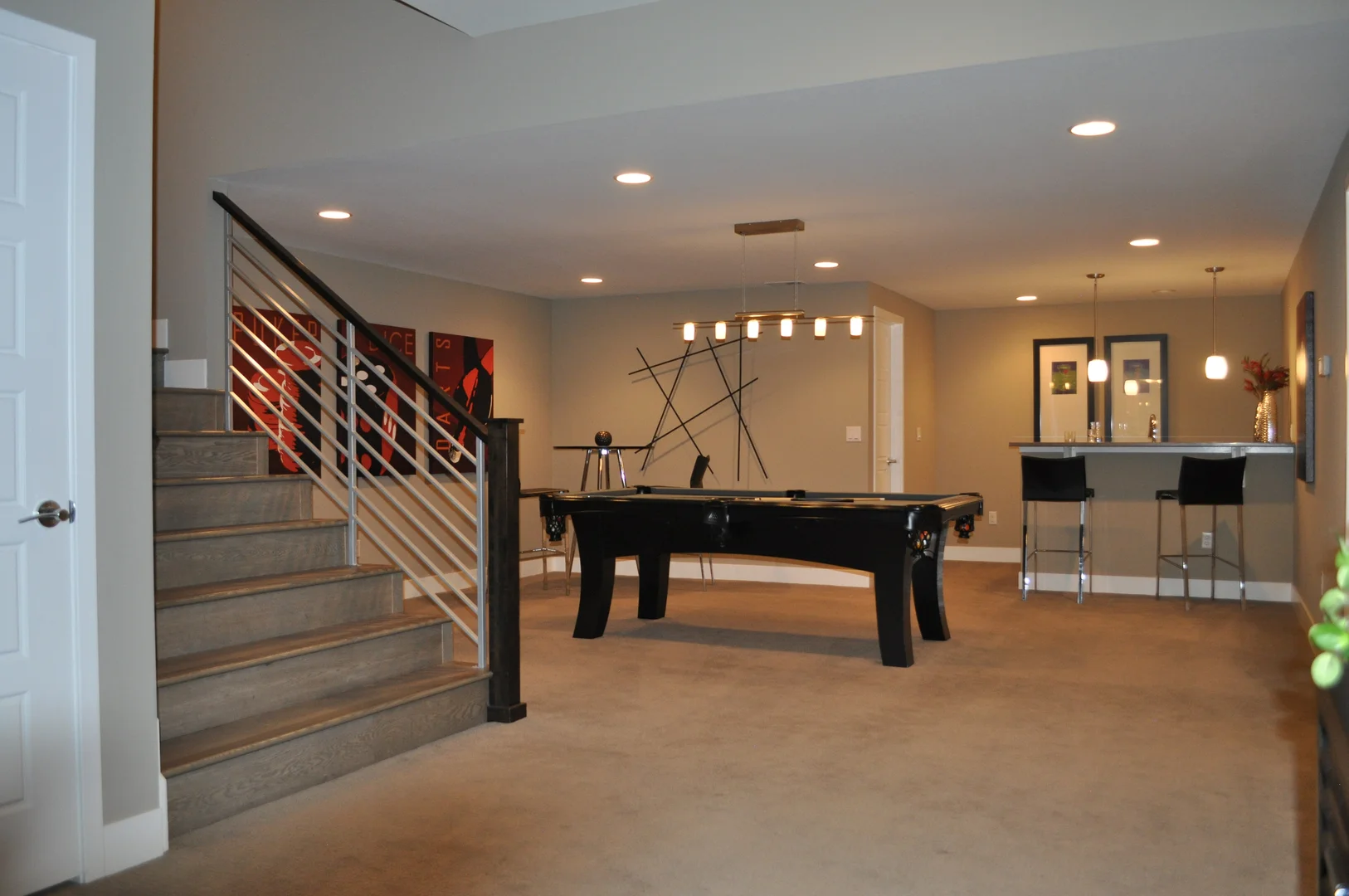
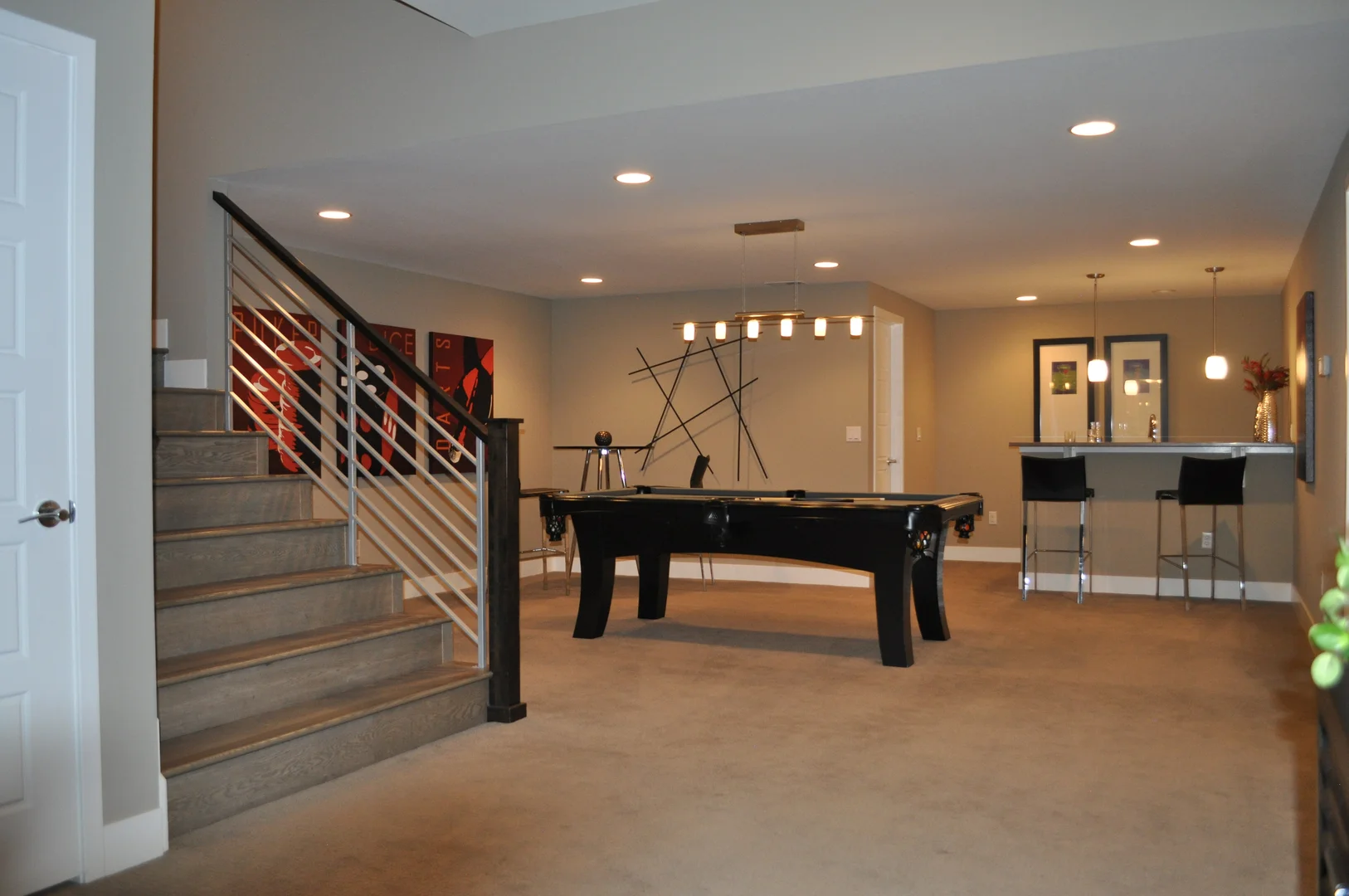
The most successful multigenerational homes create clear distinctions between shared family areas and private retreats. Shared spaces like kitchens, dining rooms, and living rooms should accommodate the entire family comfortably. Meanwhile, each generation needs their own private spaces where they can retreat. This might mean creating multiple family rooms, separate eating areas, or outdoor living zones.
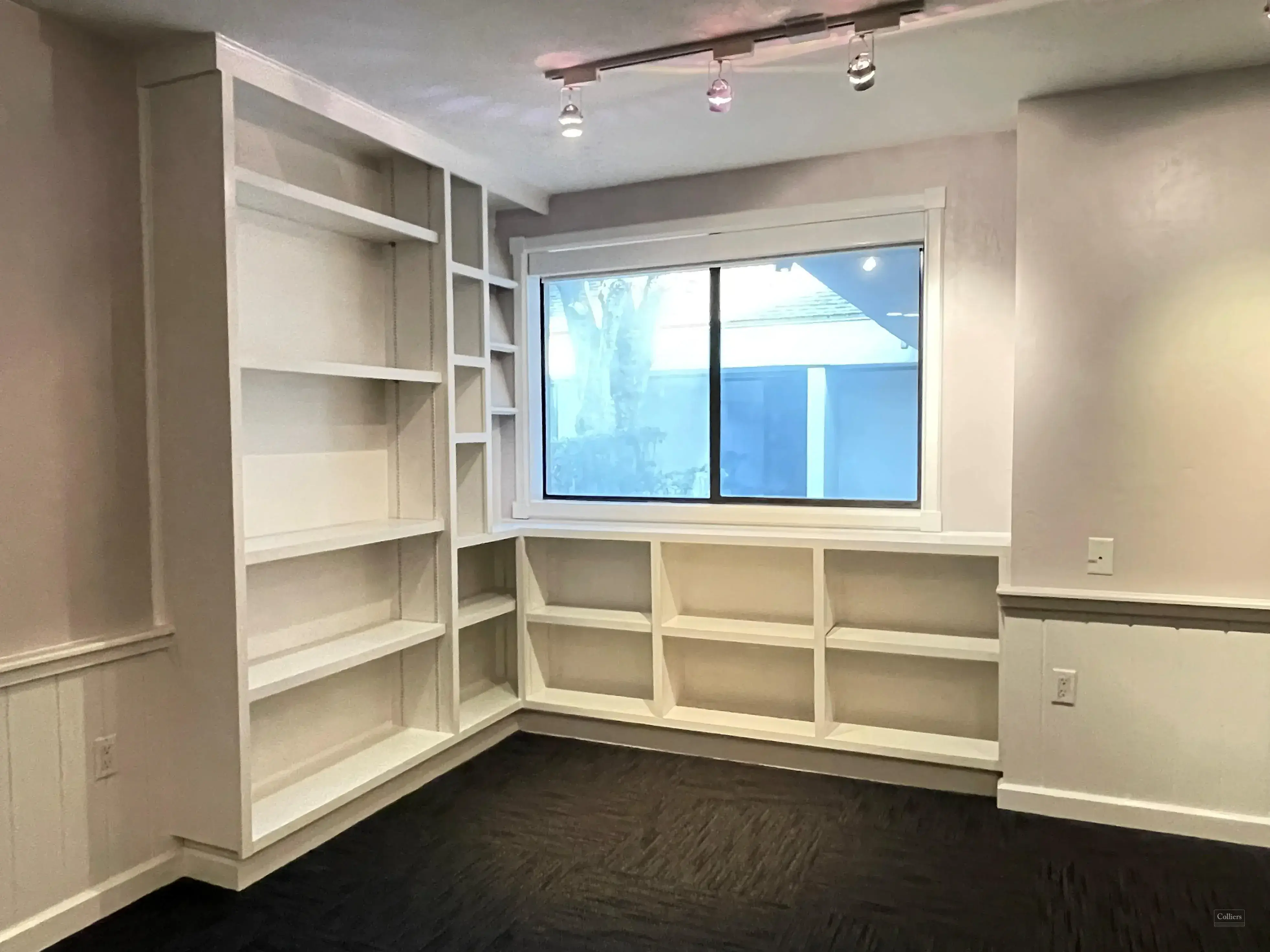
Open floor plans can be modified to create flexible spaces that adapt to different needs. Pocket doors, sliding panels, or smart glass partitions can temporarily divide large rooms for privacy when needed. Soundproofing between private suites and shared areas ensures everyone's comfort. Many families are incorporating sunrooms or enclosed porches as intermediate spaces that connect generations while maintaining distinct territories.
4. Multiple Kitchen and Laundry Facilities
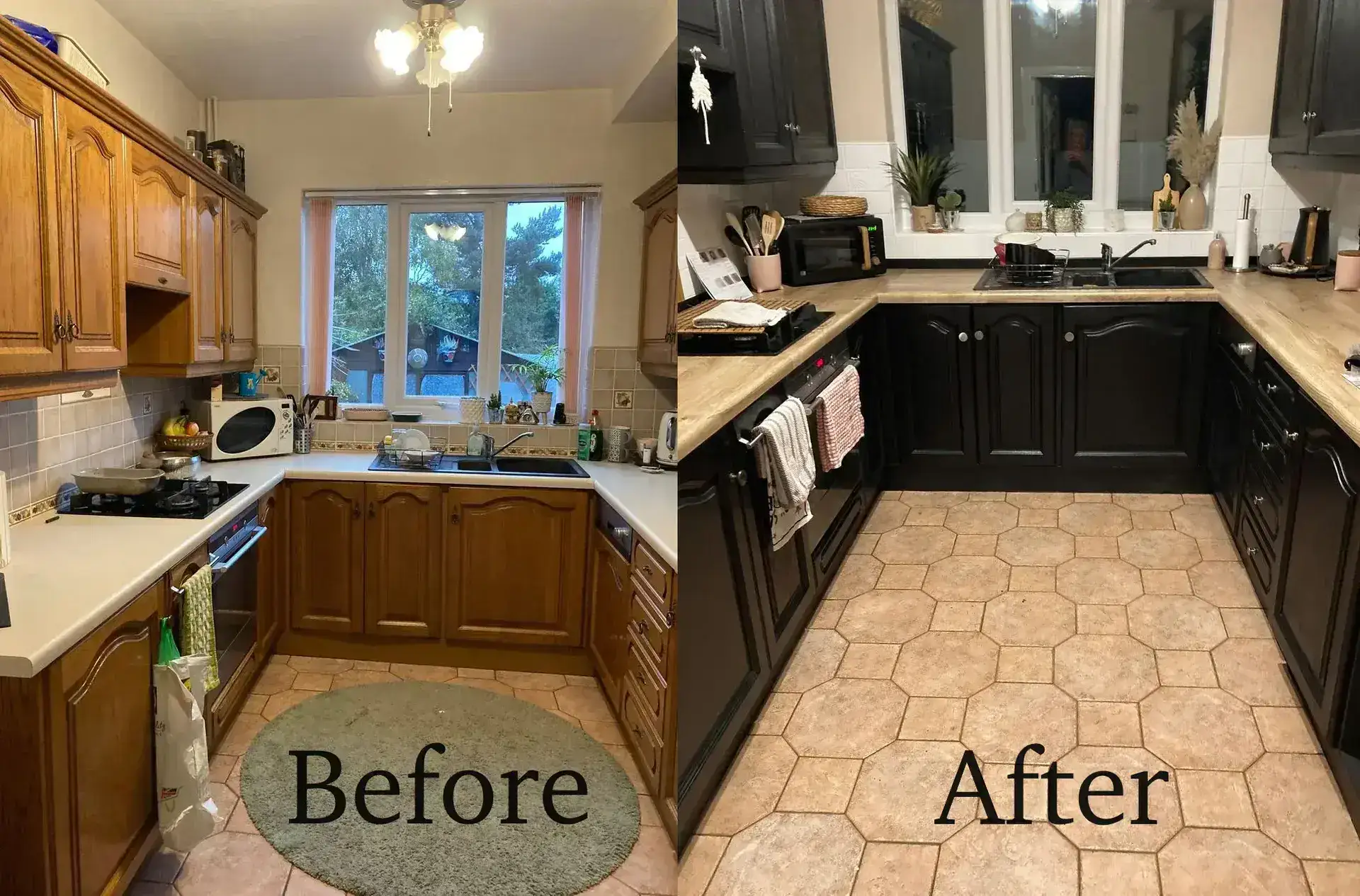
While shared meals are wonderful, multiple kitchens or kitchenettes provide crucial independence for multi-generational living. Grandparents might prefer preparing their own meals on their schedule, while adult children appreciate the ability to cook separately without conflicting with family meal preparation. Stackable washer-dryer units in private suites add tremendous convenience and autonomy.
When designing multiple kitchens, consider how they'll be used. Full kitchens with appliances allow complete independence. Kitchenettes with microwave, mini-fridge, and sink provide basic meal preparation capability while preserving the main kitchen as the family gathering space. Many Toronto families are installing two dishwashers and double-capacity laundry in shared areas to handle the increased volume of multi-generational households.
5. Flexible and Adaptable Spaces
Multigenerational needs evolve over time. Children grow up, grandparents' care requirements change, and adult children may eventually move out. The most successful renovations incorporate flexibility from the start. Rooms that can serve as home offices today can become bedrooms tomorrow. Open areas can be partitioned later. Non-load-bearing walls can be added or removed as family dynamics change.
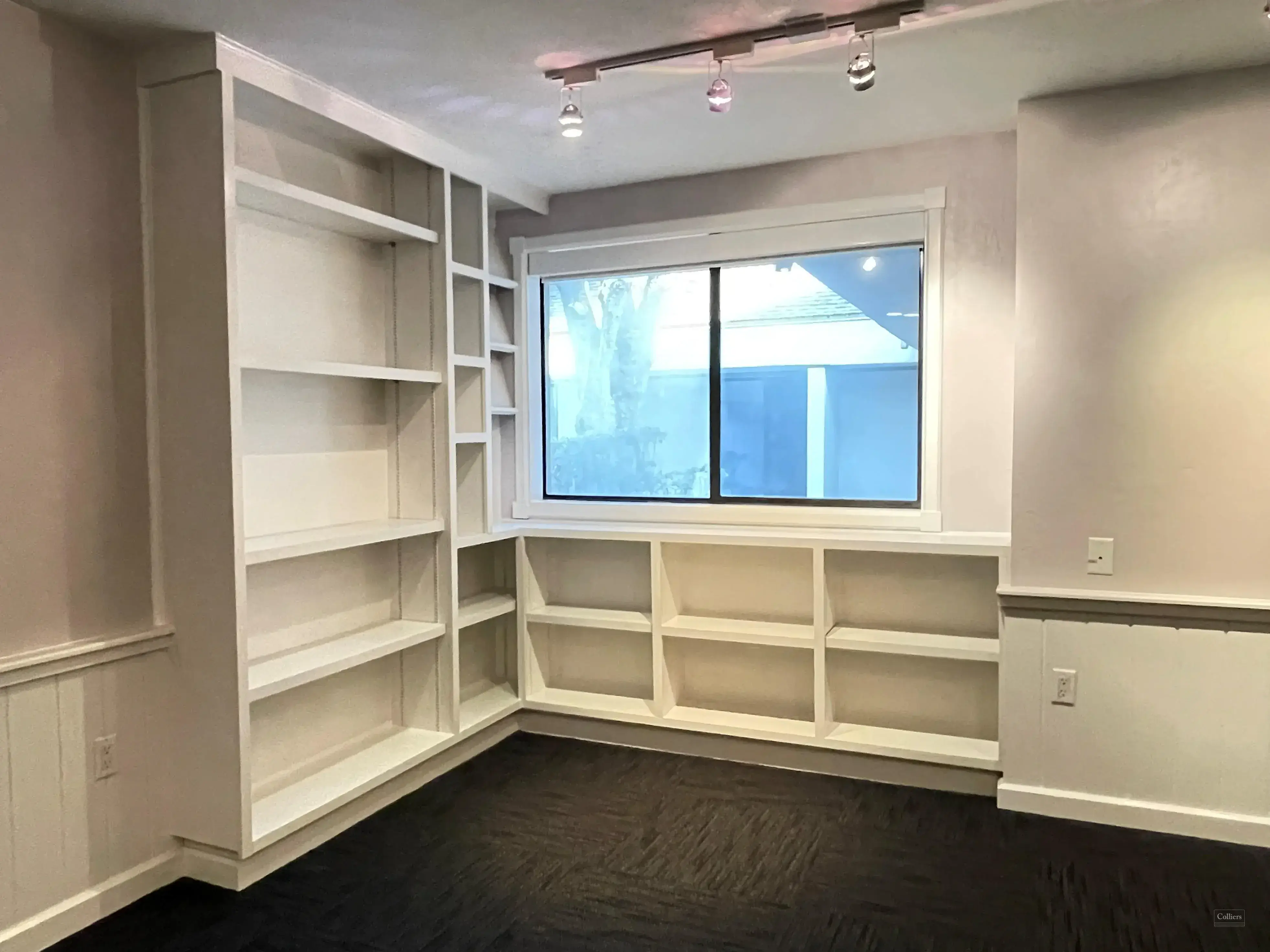
Built-in furniture and storage can adapt to different uses. Murphy beds convert home offices to guest spaces instantly. Modular shelving systems reconfigure as needs change. When planning second-story additions, consider framing them to allow for future subdivision into multiple rooms. The initial investment in flexible design pays dividends for decades as your family's needs evolve.
Zoning and Legal Requirements for Multi-Gen Homes
Toronto has complex zoning regulations that vary significantly between neighborhoods. Some areas allow basement apartments with separate entrances (often called "secondary suites") while others prohibit them. The City of Toronto has generally supportive policies for secondary suites, recognizing their role in addressing the housing crisis. However, specific requirements must be met regarding ceiling height, windows, egress, parking, and more.
Before beginning any multigenerational renovation, consult with your contractor and potentially a zoning lawyer to understand what's permitted on your property. Many Toronto homeowners are surprised to learn that what they assumed was legal actually violates local bylaws. Proper permitting is essential not just for legality but also for insurance coverage and future resale. A properly permitted suite is a valuable asset; an illegal one can become a significant liability.
Legal Suite Requirements Checklist:
- Building permit for all construction work
- Minimum ceiling height (typically 6'11" for habitable rooms)
- Proper egress windows in bedrooms
- Smoke and carbon monoxide detectors interconnected with main house
- Fire separation between suite and main residence
- Electrical panel capacity for additional load
- Separate heating system or properly zoned HVAC
- Parking requirement compliance (check local bylaws)
Multigenerational Renovation Costs and ROI
The cost of multigenerational renovations varies widely depending on scope and existing conditions. Converting a basement with an existing bathroom into a legal suite might cost $40,000-$60,000. Building a new addition for an in-law suite typically runs $100,000-$200,000. Full home renovations to accommodate multiple generations can exceed $250,000. However, the return on investment is compelling.
Beyond the financial benefits of shared living expenses and potential rental income, multigenerational homes command premium prices in Toronto's market. According to real estate data, homes with legal secondary suites sell for 15-20% more than comparable single-family homes. Perhaps more importantly, they appeal to a broader range of buyers and often sell more quickly. The multi-generational trend is only growing stronger, making these renovations increasingly valuable.
Cost Breakdown by Project Type:
- Basement Suite Conversion: $40,000-$80,000 depending on finishes
- Main Floor Suite Creation: $60,000-$120,000 including bathroom and kitchenette
- Home Addition for Suite: $150,000-$250,000 depending on size and complexity
- Accessibility Upgrades: $15,000-$40,000 for ramps, accessible bathroom, widened doors
- Multiple Kitchen/Laundry: $20,000-$50,000 for additional facilities
Designing for Harmony: Tips for Success
Successful multigenerational living requires careful planning beyond physical construction. Have frank family discussions about expectations before beginning renovations. Who will pay for what? How will shared expenses be divided? What are the privacy expectations? Establishing ground rules upfront prevents conflicts later. Many families find it helpful to create written agreements about financial contributions, household responsibilities, and boundaries.
Consider hiring a designer or architect with multigenerational experience. They can suggest solutions you might not consider and help avoid common pitfalls. Professional design fees of $5,000-$15,000 seem significant but prevent far more expensive mistakes. A well-designed multigenerational home balances privacy with togetherness, independence with support, and flexibility for the future.
Family Planning Considerations:
- Discuss financial contributions and ongoing expenses openly
- Establish expectations for shared spaces versus private areas
- Plan for how decisions will be made about the home
- Consider how care needs might change over time
- Create exit strategies if the living arrangement doesn't work
- Set boundaries around guests, noise, and shared routines
- Plan for technology needs (WiFi, smart home integration)
- Consider outdoor space for all generations to enjoy
The Future of Multigenerational Living in Toronto
The trend toward multigenerational living shows no signs of slowing. Toronto's expensive housing market, increasing immigration from cultures with multi-gen traditions, and aging population all contribute to growing demand. Developers are taking note, with new subdivisions increasingly including homes designed for multiple generations. But existing homes with thoughtful renovations will always have unique appeal and character.
Technology is making multi-generational living easier than ever. Smart home systems can control different zones independently, provide separate WiFi networks, and enhance security. Health monitoring technology can help families care for aging relatives while respecting their independence. Communication tools keep everyone connected even when pursuing different activities within the same home.
Conclusion: Creating Your Multi-Generation Home
Multigenerational home renovations represent one of the most rewarding investments Toronto families can make. When done well, these homes strengthen family bonds, provide financial security, and create living environments that work for everyone at every stage of life. The key is thoughtful design that balances privacy with togetherness, accessibility for all ages, and flexibility for the future.
Whether you're accommodating aging parents, supporting adult children, or simply wanting to live closer to family, multigenerational renovations can create the perfect environment. Working with experienced contractors who understand both construction and family dynamics ensures your home will serve your family beautifully for years to come.
Ready to Create Your Multigenerational Home? Our team specializes in designing and building beautiful multi-generational homes across Toronto. From basement suites to complete home additions, we'll create spaces that bring your family together while preserving everyone's independence. Contact us today for a free consultation about your multigenerational renovation project.
Frequently Asked Questions
Yes, Toronto allows secondary suites (basement apartments) in most residential areas, but they must meet specific requirements for ceiling height, windows, fire safety, and parking. Always obtain proper permits to ensure your suite is legal and insurable.
Basement conversions typically cost $40,000-$80,000. Main floor suites run $60,000-$120,000. Home additions for suites cost $150,000-$250,000. Costs vary based on size, finishes, and how much work your home already needs.
Significantly! Homes with legal secondary suites typically sell for 15-20% more than comparable single-family homes. The multi-generational trend is growing, making these properties increasingly desirable in Toronto's market.
Prioritize step-free entrances, main-floor living (bedroom, bathroom, kitchen), widened doorways (36" minimum), roll-in showers with grab bars, lever-style hardware, non-slip flooring, and bright lighting with motion sensors.
Yes, if it's a legal suite with proper permits. Toronto basement apartments typically rent for $1,200-$2,000 monthly depending on location and amenities. This rental income can significantly offset renovation costs and mortgage payments.
Related Articles
Home Addition vs. Moving: Which Is Right for You?
Weigh the pros, cons, and true costs of adding space to your home versus selling and buying bigger.
Read More →
Second Story Addition Costs in Toronto
Budgeting for a second storey addition? Get real cost breakdowns, timelines, and tips for Toronto homes.
Read More →
ADU & Accessory Dwelling Units in Toronto (2026)
Laneway suites, garden suites, and basement apartments - your complete guide to ADUs in Toronto.
Read More →Multigenerational Home Renovation Keeps Family Close, Comfortably
In-law suites and separate-entrance conversions across Toronto - independence for them, peace of mind for you.
Home Renovation consultations are booking up - reserve yours free this month - We prioritize homeowners who book consultations online.